Aug 31, 2026News & Insights
Chain Elongation: Why It Matters for Safety & When to Replace Your Chain
Elongation tells you how much a chain can stretch before it breaks
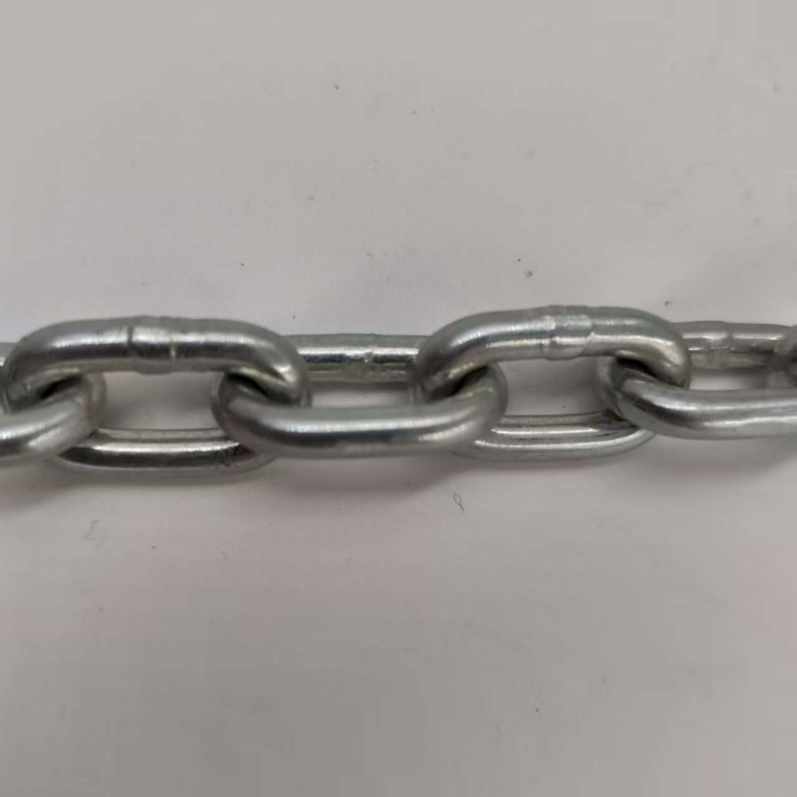
When buyers select a chain, they usually focus on two things: strength and corrosion resistance. But there is a third parameter that is just as important — and often overlooked: elongation.
Elongation tells you how much a chain can stretch before it breaks. It is a direct indicator of the chain's ductility, its ability to absorb shock, and whether it is approaching the end of its safe service life. For anyone lifting, towing, mooring, or conveying with chain, understanding elongation is not optional — it is essential.
What Is Chain Elongation?
Chain elongation is the permanent stretch a chain undergoes when loaded. It is expressed as a percentage of the original length.
Elongation (%) = (Length at Break – Original Length) ÷ Original Length × 100%
There are two types:
Type | Description | Reversible? |
|---|---|---|
Elastic elongation | Stretches under load, returns to original length when unloaded | Yes |
Plastic (permanent) elongation | Stays stretched after the load is removed | No |
Within its working load limit (WLL), a chain should only experience elastic elongation. Permanent elongation is a sign of overload — or that the chain is reaching the end of its life.
Why Elongation Matters
1. It Gives a Visible Warning Before Failure
A chain with good elongation will stretch noticeably before it breaks. That stretch is the last warning you get.
A chain with poor elongation may look fine right up until it snaps without warning. In lifting and towing, this difference is the margin between a controlled shutdown and a serious accident.
This is why international standards require chains to be retired when permanent elongation exceeds 3–5% of the original length.
2. It Absorbs Shock Loads
Most chain applications are not static. Chains experience start-up shocks, braking forces, wave impacts, and sudden load shifts.
A chain with adequate elongation absorbs some of that energy through plastic deformation, reducing peak stress on both the chain and the equipment it is connected to. This is especially critical for:
- Mooring and anchor chains
- Trawl and towing chains
- Lifting chains with swinging loads
- Conveyor chains with start-stop cycles
3. It Is the Most Reliable Wear Indicator
Chains stretch gradually during normal use as links wear and fatigue accumulates. By measuring elongation regularly, you can make objective replacement decisions — instead of relying on guesswork or waiting for failure.
Elongation | Status | Action |
|---|---|---|
Under 3% | Normal | Continue use, regular inspection |
3–5% | Warning | Increase inspection frequency, plan replacement |
Over 5% | Critical | Remove from service immediately |
Strength vs. Ductility: The Trade-Off
Higher-grade chains are stronger — but less ductile. This is a fundamental material trade-off every buyer should understand.
Grade | Breaking Stress | Typical Elongation at Break | Character |
|---|---|---|---|
G30 | 300 N/mm² | 20%+ | High ductility, low strength |
G43 | 430 N/mm² | 15–20% | Balanced |
G70 | 700 N/mm² | 12–14% | High strength, moderate ductility |
G80 | 800 N/mm² | 10–12% | High strength, reduced ductility |
G100 | 1000 N/mm² | 8–10% | Ultra-high strength, limited ductility |
What this means in practice:
- Low-grade chain stretches a lot before breaking — safer in shock-load applications.
- High-grade chain is stronger but gives less visible warning — inspection becomes more important.
Standards That Define Elongation Requirements
Standard | Scope | Key Requirement |
|---|---|---|
EN 818-2 | Lifting chains | Minimum 10% elongation at break |
EN 818-4 | Chain slings | Retire at 5% permanent elongation |
ISO 7591 | Anchor chains | Retire at 5% permanent elongation |
GB/T 20946 | Lifting chains | Minimum 8% elongation at break |
ASTM A391 | Alloy steel chain | Minimum 10% elongation at break |
A chain that fails elongation requirements cannot be certified — no matter how high its breaking load.
How to Measure Chain Elongation in the Field
- Select a straight, undamaged section of chain.
- Mark a fixed number of links — commonly 11 links.
- Measure the distance between the first and last link, with no tension.
- Compare it to the original length at the time of purchase.
Example:
- Original 11-link length: 300 mm
- Measured after two years: 312 mm
- Elongation = (312 – 300) ÷ 300 × 100% = 4.0%
At 4.0%, the chain should be scheduled for replacement.
What Affects Chain Elongation
Factor | Effect |
|---|---|
Steel type | Carbon steel stretches more; alloy steel stretches less |
Heat treatment | Correct quenching and tempering optimise ductility; over-hardening makes the chain brittle |
Welding quality | Poor welds create weak points that reduce local elongation |
Temperature | High heat increases elongation but lowers strength; extreme cold increases brittleness |
Fatigue history | Repeated loading gradually consumes available ductility |
Corrosion | Pitting creates stress points and reduces the remaining elongation capacity |
Overloading | Even minor overloads cause permanent stretch and reduce remaining safety margin |
How to Choose Based on Elongation
Application | Elongation Priority | Suggested Grade |
|---|---|---|
High-impact, shock loads | High elongation preferred | G43–G50 |
Lifting, static loads | Moderate elongation acceptable | G70–G80 |
Critical safety lifting | Meet standard minimum, inspect regularly | G80+ |
Wear-intensive environments | Monitor elongation continuously | All grades |
Summary
Chain elongation is not just a laboratory number. It is the most practical indicator of how a chain will behave under overload, how much warning it will give before failure, and when it should be replaced.
Before choosing a chain, look beyond strength and finish. Ask:
- What is the elongation at break?
- Does it meet the standard for my application?
- Will I inspect and measure it regularly once it is in service?
A chain that balances strength with adequate ductility is safer, lasts longer in dynamic applications, and gives you time to act before a failure occurs.
Boyuan Metal supplies chains in Grade 30 through Grade 100, manufactured to EN, ISO, DIN, and ASTM standards with full mill test certification. If you need help selecting the right grade and finish for your application, contact us and we will advise the best option.