Sep 29, 2026News & Insights
Chain Sling vs Wire Rope Sling
Both lift a load, but chain is stiff and abrasion-resistant while wire rope is flexible and easier on the load surface. How to choose, and how to keep either one safe.
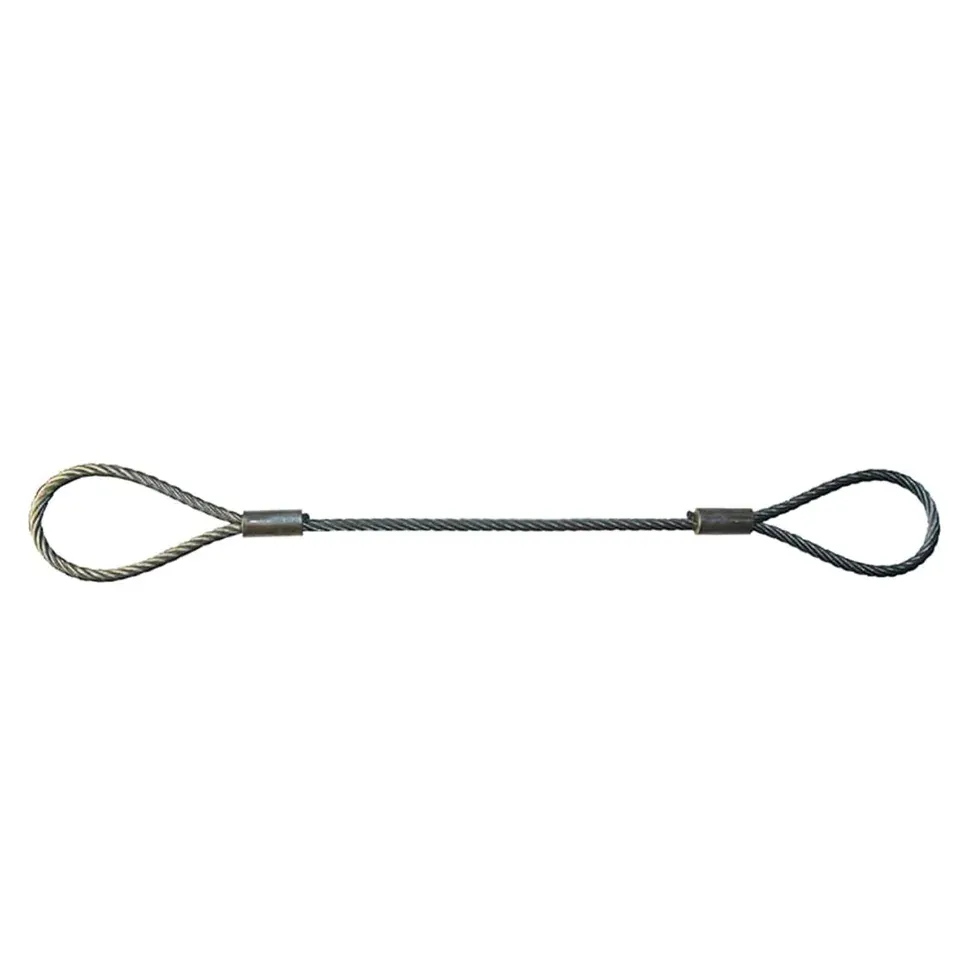
A chain sling and a wire rope sling both lift a load, and both must be rated for the job. The difference is how each behaves: chain is stiff and takes abrasion well, while wire rope is flexible and easier on the load surface. Which one you choose usually comes down to the load surface and the lift geometry.
The Chain Sling
A chain sling is built from grade-marked alloy steel lifting chain. Black oxide G80 chain is a heat-treated alloy steel chain with a grade 80 marking, used with hooks and shackles in lifting assemblies. EN 818-2 grade 100 chain is the higher grade: it offers a higher strength-to-weight ratio than grade 80, so a smaller, lighter chain carries the same load. Being grade-marked, the grade is visible on the chain itself.
The Wire Rope Sling
A wire rope sling is made from steel wire rope with the ends spliced or swaged into loops. It is flexible, and the soft loop ends pass easily through hooks and shackles. Its defining advantage is that it is gentler on loads than a chain sling, which is why it suits where the load surface must not be marked. Slings are made to order: tell us the rope diameter, sling length, loop type and load.
Choosing Between Them
Two questions decide it. First, the load surface: where the sling must not mark the load, a soft wire rope sling fits better; where the sling must withstand abrasion and rough edges, chain is the usual choice. Second, the geometry: a flexible sling can follow a shape a stiff chain cannot. In both cases, match the grade or rope to the load and the equipment.
Fittings and Rated Load
Neither sling is complete without the right end fittings. Chain slings use hooks and shackles, with grade and capacity matched to the load and equipment. Wire rope slings depend on the splice or swage at the loop and on the fittings they pass through. Tell us the load and the lift and we will confirm the assembly, not just the parts.
Safety
A few points apply to both. Lift only within the rated working load limit and keep the load in line rather than at an angle. Check the assembly before use, and take a sling out of service if a chain link is stretched, cracked or worn, or the wire rope is kinked, corroded or has broken wires. Never weld, heat or repair either in the field: damaged slings must be replaced. Ordinary commercial or general purpose chain is not a lifting product; only grade-marked lifting chain belongs in a lifting assembly.
Frequently Asked Questions
Which is stronger, a chain sling or a wire rope sling?
Not the right comparison. Both come in a range of sizes and rated loads, so the assembly working load limit matters, not the type. For the same size, grade 100 chain has a higher strength-to-weight ratio than grade 80, but what you must match is the assembly limit.
When should I choose a wire rope sling?
Where flexibility is needed, or where the sling must not mark the load, because a wire rope sling is easier on a finished or marked load surface than a chain sling. Chain suits abrasive or rough-edge duties where stiffness is acceptable.
Can any chain be used in a lifting sling?
No. A lifting sling uses grade-marked lifting chain such as G80 or G100, with fittings rated for the duty. Ordinary commercial chain is not a lifting product.
Boyuan Metal supplies grade 80 and grade 100 lifting chain for chain slings, and wire rope slings made to order, with the hooks, shackles and end fittings that complete the assembly. Tell us the load, the lift and the equipment, and we will confirm the sling and fittings.