Sep 15, 2026News & Insights
From Wire to Chain: The Manufacturing Process of Round-Link Chains
Ever wondered how a simple steel wire becomes a strong, reliable round‑link chain? Whether for anchoring a boat or lifting heavy loads, the process involves precision, heat, and rigorous testing. Here
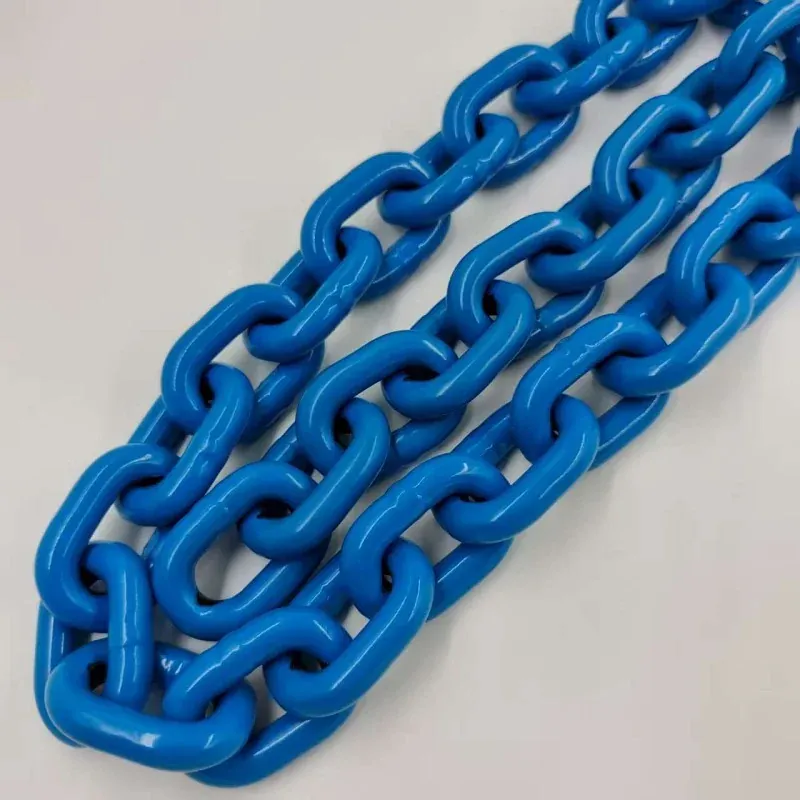
Ever wondered how a simple steel wire becomes a strong, reliable round‑link chain? Whether for anchoring a boat or lifting heavy loads, the process involves precision, heat, and rigorous testing. Here’s a concise step‑by‑step overview.
1. Raw Material Selection
It all starts with the right steel.
- Low‑carbon steel for general industrial use
- Alloy steel (heat‑treated) for lifting chains Grade 80/100
- Stainless steel AISI 304L/316L for corrosion‑resistant marine chains
Each batch is chemically and mechanically tested before production.
2. Wire Drawing
The steel coil is cold‑drawn to the exact diameter required for the chain links. This ensures uniform thickness and a smooth surface.
3. Bending & Linking (Chain Forming)
Automatic chain bending machines shape the wire into individual links and simultaneously thread each new link through the previous one. Modern electronic controls guarantee consistent pitch and shape.
4. Welding
Each link is flash‑butt welded. Electronic monitoring systems inspect weld quality in real time. After welding, burrs are ground off for a clean finish.
5. Calibration (Sizing)
The chain passes through a sizing die that compresses each link from the sides. This corrects any distortion from bending/welding and ensures uniform pitch and internal width – critical for smooth windlass or sprocket engagement.
Calibration is done before heat treatment, when the steel is still soft.
6. Heat Treatment (for alloy steel)
The chain is quenched and tempered to achieve its final mechanical strength (e.g., Grade 80/100). This step transforms the steel’s internal structure for high tensile strength and wear resistance.
Stainless steel chains instead undergo solution annealing to restore corrosion resistance.
7. Proof Loading (Pre‑stretching)
The entire chain is pulled along its axis with a force equal to a percentage of its breaking load (typically 25‑50%). This permanently stretches the chain by about 0.5‑1.5%, removing residual stresses and preventing future elongation in service.
Proof loading is different from calibration: calibration shapes the link, while proof loading stabilises the whole chain.
8. Surface Finishing
Depending on the application, the chain may be:
- Hot‑dip galvanized (ISO 1461) for marine use
- Electro‑galvanized for light corrosion protection
- Polished (stainless steel) for hygiene and aesthetics
- Left raw (uncoated) for internal industrial applications
9. Inspection & Marking
Each batch is proof‑tested, measured, and visually inspected. Certified chains are stamped with grade and standard (e.g., DIN 766, Grade 50). Finally, they are packed and shipped.
Why does this matter?
A chain is only as good as its manufacturing. From correct calibration to proper heat treatment, every step ensures you get a product that is safe, durable, and fit for purpose – whether on a yacht, in a factory, or on a farm.
Boyuan Metal supplies high‑quality round‑link chains in stainless steel and galvanised finishes.
Frequently Asked Questions
What is calibration and how is it different from proof loading?
Calibration passes the chain through a sizing die that compresses each link from the sides, correcting distortion from bending and welding and ensuring uniform pitch and internal dimensions. Proof loading pulls the entire chain along its axis to stabilise it. In short, calibration shapes the link, while proof loading stabilises the whole chain.
What force is used in proof loading?
The chain is pulled along its axis with a force equal to a percentage of its breaking load, typically 25–50 percent. This permanently stretches the chain and stabilises the assembly.
What steel is used for round link chain?
Low-carbon steel for general industrial use; alloy steel, heat-treated, for Grade 80 and Grade 100 lifting chains; and stainless steel AISI 304L or 316L for corrosion-resistant marine chains. Each batch is chemically and mechanically tested before production.
What welding method is used for round link chain?
Each link is flash-butt welded, with electronic monitoring systems inspecting weld quality in real time. After welding, burrs are ground off for a clean finish.
How are chains marked before shipment?
After each batch is proof tested, measured and visually inspected, certified chains are stamped with the grade and standard, for example DIN 766 or Grade 50, and then packed.