Sep 2, 2026News & Insights
G43 Self Color Chain: Why Polished Chain Rusts and What Buyers Should Know
Why did the chain look bright and clean at the factory, but arrived with rust spots a few days later
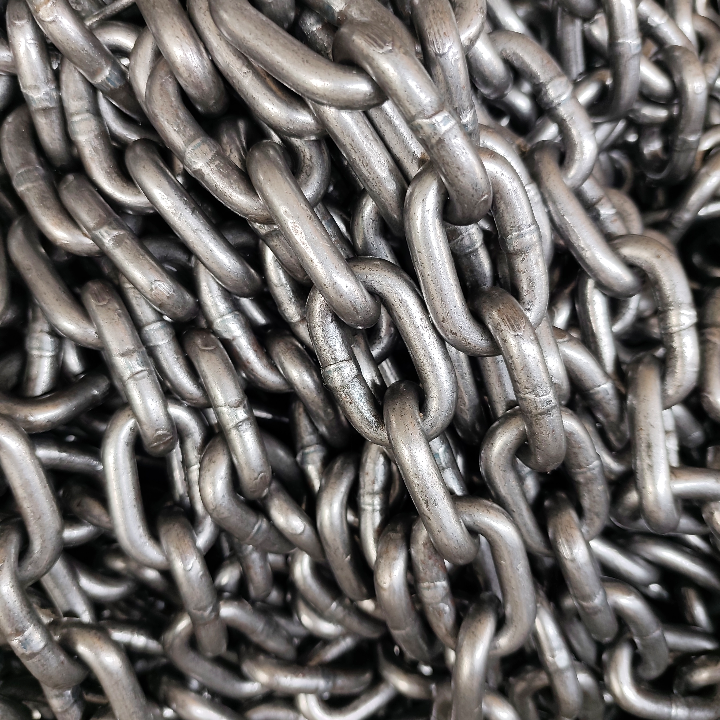
If you source G43 self color chain — also called polishing chain — you have probably asked the same question at least once: “Why did the chain look bright and clean at the factory, but arrived with rust spots a few days later?”
The answer lies not in the chain grade, but in the finishing process. And for distributors in the United States, Canada, South Africa, and Taiwan — markets we supply regularly — this is a practical issue that affects returns, customer satisfaction, and repeat orders.
This guide explains what G43 self color chain is, how alkaline polishing works, why polished chain can rust quickly, and what buyers should specify to avoid the problem.
What Is G43 Self Color Chain?
G43 chain is a medium-strength welded chain with a minimum breaking stress of approximately 430 N/mm². “Self color” means the chain has no galvanizing and no coating — the surface remains in its natural steel finish.
This type of chain is commonly supplied in two forms:
Form | Description |
|---|---|
Self color, as-welded | Dull, dark surface, sometimes with light oil |
Polished chain | Bright, smooth steel surface achieved through polishing |
Polished G43 chain is popular in markets where the chain will be further processed — such as plating, painting, PVC coating, or cutting and assembling into retail packs. Customers who buy polished chain often want a clean, bright surface without heavy oil, because oil can interfere with the next production step.
Why Buyers Choose Polished G43 Chain
In our supply experience, polished G43 self color chain is frequently ordered by customers in the United States, Canada, South Africa, and Taiwan for reasons that are both practical and commercial:
- United States / Canada — used for tie-down assemblies, farm hardware, retail chain programs, and further processing such as zinc plating or powder coating.
- South Africa — popular for agricultural, fencing, and general hardware applications, often supplied in bulk packs.
- Taiwan — used by manufacturers and distributors who plate, coat, or fit the chain into finished hardware products.
For all these markets, the bright, clean look of polished chain is part of the product's sales appeal. But the same bright surface also causes the most common complaint: rust.
How Alkaline Polishing Works
Polished chain is commonly produced using an alkaline chemical polishing process. The chain is immersed in a hot alkaline solution — usually containing sodium hydroxide, sodium nitrite, and phosphate additives — which lightly dissolves the surface of the steel.
The result: the surface layer of scale, rust, and small burrs is removed, leaving a smooth, bright finish. At that moment, the chain looks excellent.
But here is what happens next.
Why Polished Chain Rusts Within Days
Alkaline polishing creates three conditions that make rust almost inevitable if no further protection is applied.
1. The steel surface becomes highly active
Polishing removes the old oxide layer and exposes fresh, bare steel. Fresh steel reacts quickly with oxygen and moisture in the air. In humid conditions, light rust can form within hours.
2. Residual polishing chemicals attract moisture
If the chain is not rinsed thoroughly after polishing, small amounts of alkaline salts remain on the surface and inside the link gaps. These residues absorb moisture from the air, creating an invisible damp film on the steel — the perfect condition for rust.
3. No anti-rust protection is applied
Many polishing operations focus only on the visual result and do not add a rust-preventive step. Without anti-rust oil, anti-rust water, or VCI packaging, the chain is left completely unprotected.
The combination of fresh steel, humidity, and time means the chain can arrive at the customer's warehouse with a fine layer of rust — even though it looked perfect when it left the factory.
The Shipping and Storage Reality
Even when the chain leaves the factory dry, the journey matters.
Sea containers experience large temperature changes between day and night. Warm air inside the container cools, and condensation forms. Water droplets can settle on the chain and remain trapped inside the packaging.
This is why a chain that looks good at dispatch can look rusty by the time it reaches Los Angeles, Durban, Vancouver, or Kaohsiung.
How to Prevent Rust on Polished G43 Chain
The solution is not to avoid polished chain. The solution is to control what happens after polishing.
For Suppliers
- Rinse the chain thoroughly after alkaline polishing to remove chemical residue.
- Dry the chain completely before packaging.
- Apply the correct protection based on the customer's next process:
Requirement | Recommended Protection |
|---|---|
Customer will plate or coat later | Anti-rust water or light water-based inhibitor |
Chain will be stored before use | Anti-rust oil |
No oil allowed, but longer protection needed | VCI (vapor corrosion inhibitor) packaging |
- Use sealed poly bags with VCI paper for export shipments, especially in high-humidity seasons.
For Buyers
If you buy G43 polished chain, always specify one of the following in your order:
- “Apply anti-rust water only — no heavy oil”
- “Apply anti-rust oil for storage”
- “Use VCI packaging, no oil coating”
The wrong choice can make a good product look defective — and cost you time, returns, and customer trust.
Why This Matters in Your Market
G43 self color polished chain is not a niche product. It moves in volume through hardware distribution, agricultural supply, transport and rigging, and further-processing industries.
In our main supply markets — the United States, Canada, South Africa, and Taiwan — buyers consistently care about three things:
- Correct G43 strength and marking
- Bright, clean polished surface
- Arriving without rust
When those three are met, polished chain is one of the easiest products to resell. When the rust problem is not controlled, even the best price will not win back a disappointed customer.
Summary
G43 self color chain with a polished finish looks good, handles well, and suits a wide range of downstream applications. But its bright surface is also vulnerable. Without proper rinsing, drying, and protection after polishing, the chain can rust during shipping and storage — even if it looked perfect at the factory.
The key is communication. When buyer and supplier agree on the protection method before production, polished chain delivers exactly what the market expects.
Boyuan Metal supplies G43 self color chain in polished finish for customers in the United States, Canada, South Africa, and Taiwan, with flexible rust protection options including anti-rust water, anti-rust oil, and VCI packaging. Contact us to discuss your chain specification and packaging requirements.