Sep 25, 2026News & Insights
How to Choose a Snap Hook
A snap hook clips on fast, but its gate must never take the load. How to choose the form, material and size, and the one rule that governs safe use.
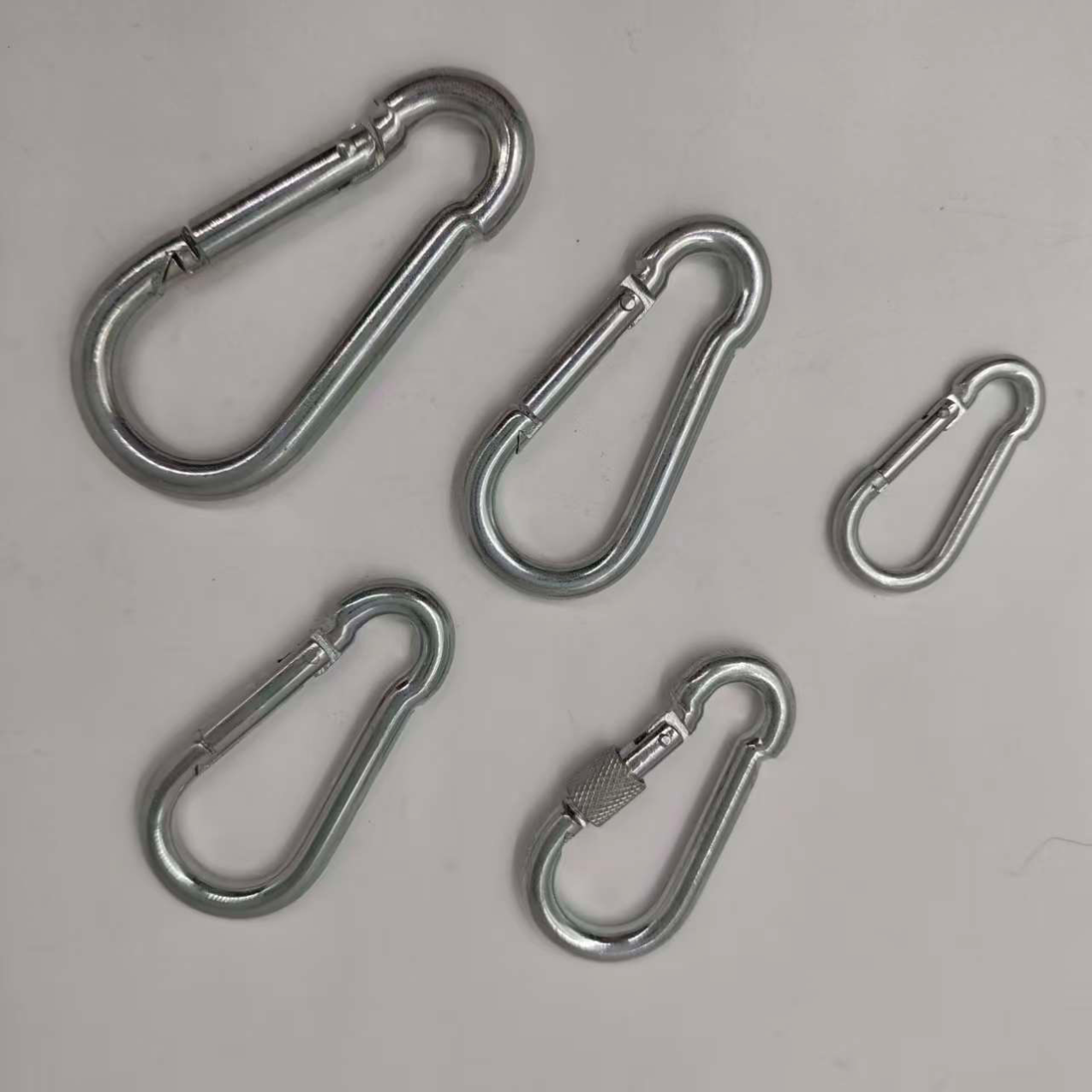
A snap hook has a spring-loaded gate that opens with thumb pressure, so a load can be clipped on or taken off quickly. That same gate is what must never take the load. Choosing one comes down to three things: the form, the material and the size.
What a Snap Hook Is For
A snap hook gives a quick connection to a ring, eye or bar, and it is used for quick connections in rigging, leashes and tethers, hanging and general purpose work. The gate closes by spring, so the hook stays attached once it is clipped on. Where a connection has to be made and released often, that saves time; where the connection must remain in place permanently, tell us the duty and we will confirm whether a bow shackle or another fitting suits better.
The Gate Is Not a Load-Bearing Part
This is the one rule that matters most with a snap hook: check the working load limit before use, and do not load the gate. The hook is meant to take the pull along its body with the load seated in the bowl. A pull that bears sideways on the gate, or a load hung on the tip of the hook, can open or bend the gate, and the hook then fails at a load well below its rating. Keep the pull in line with the hook and clear of the gate. Do not use a snap hook to suspend a load or a person overhead; use a rated lifting fitting for that duty. Inspect the hook before use: a gate that is bent, does not close properly or is missing should not be used.
Choosing the Form
Snap hooks are supplied in DIN 5299 A (with eyelet) and C forms, in a range of sizes. The A form carries an eyelet, which gives a closed end to attach to a rope, chain or eye. Tell us what each end of the connection fixes to and we will confirm the form that suits it.
Choosing the Material
Snap hooks come in carbon steel or stainless steel, with a zinc plated or polished finish. Carbon steel, zinc plated, covers general dry use. Where the hook stays outdoors, near salt water, or in a damp or chemical setting, stainless steel is the usual choice, because it resists corrosion throughout rather than depending on a plating that can wear through.
Sizing
Size the hook from the working load limit of the intended service (the duty), not from the size of the ring it clips onto. Those are two different things, and a hook that fits the ring comfortably can still be under-rated for the load. Tell us the form, the size, the material and what the hook will connect, and we will confirm.
Frequently Asked Questions
Can a snap hook be loaded from the side?
Not against the gate. The hook is designed to take the load along its body with the pull seated in the bowl, and the gate must not be loaded. A sideways pull that bears on the gate can open it, and the hook will then fail well below its rated load.
Carbon steel or stainless steel?
See Choosing the Material above: carbon steel, zinc plated, suits general dry use; choose stainless steel where weather, salt water or chemicals are present.
Which form do I need, A or C?
The A form has an eyelet, which gives a closed end for attaching to a rope, chain or eye. Tell us what each end of the connection fixes to and we will confirm the form and the size.
Boyuan Metal supplies snap hooks in DIN 5299 A (with eyelet) and C forms, in carbon steel or stainless steel with a zinc plated or polished finish. Tell us the duty and the load, and we will confirm the form, the size and the material.