Sep 5, 2026News & Insights
Why Your G43 Self Color Chain Rusts and How to Prevent It: A Buyer’s Guide
Sourcing G43 self color polished chain? Learn why it rusts after factory dispatch and how to specify the right anti-rust protection for USA, Canada, and global markets
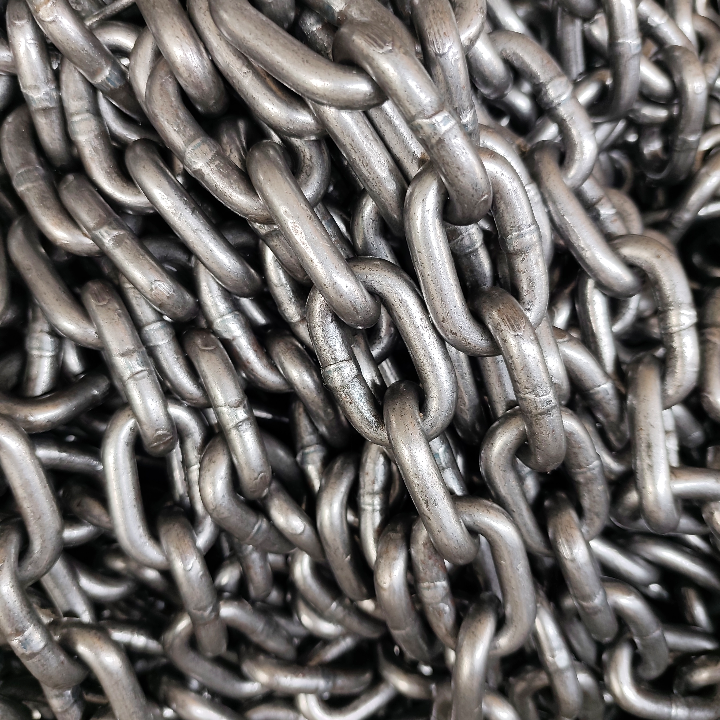
G43 Self Color Chain: Why Polished Chain Rusts and How to Prevent It
Are you sourcing G43 self color chain(also known as polishing chain) for your distribution business? If so, you’ve likely faced a frustrating challenge: the chain looks bright and pristine at the factory, but arrives at your warehouse with visible rust spots just a few weeks—or even days—later.
For distributors in the United States, Canada, South Africa, and Taiwan, this is more than a cosmetic issue. It’s a practical problem that leads to customer complaints, costly returns, and damaged reputations.
In this comprehensive guide, we explain what G43 self color chain is, why the alkaline polishing process makes it vulnerable to corrosion, and how you can specify the right protection to ensure it arrives in perfect condition.
1. What Is G43 Self Color Chain?
G43 chain, often referred to as High Test Chain, is a medium-strength carbon steel welded chain with a minimum breaking stress of approximately 430 N/mm².
The term “Self Color”indicates that the chain has no metallic galvanizing or heavy synthetic coating; the surface remains in its natural steel state. In the global market, G43 self color chain is typically supplied in two finishes:
Finish Type | Visual Appearance | Common Usage |
Self Color, As-Welded | Dull, dark, scale-covered, sometimes lightly oiled. | Industrial applications where aesthetics don't matter. |
Polished Chain | Bright, smooth, reflective steel surface. | Retail packaging, plating, powder coating, or consumer hardware. |
Polished G43 chain is the preferred choice for businesses that plan to further process the chain (e.g., zinc plating or PVC coating) or sell it in high-end retail environments.
2. Why Buyers Choose Polished G43 Chain
Based on our extensive supply experience in key international markets, the demand for a "bright" finish is driven by specific regional needs:
- USA & Canada:Used for tie-down assemblies, farm hardware, and retail DIY packs. Buyers often plate or powder coat these chains locally.
- South Africa:Heavily used in agriculture and fencing where a clean look is essential for bulk hardware sales.
- Taiwan:Preferred by manufacturers who integrate the chain into finished hardware products or high-quality export goods.
However, the very process that makes the chain look "premium" is also what makes it prone to rust.
3. The Science of the "Flash Rust": How Alkaline Polishing Works
Most factories use alkaline chemical polishingto achieve that bright, silver-like look. The chain is submerged in a hot alkaline solution (typically containing sodium hydroxide and nitrites). This bath dissolves surface scale, removes burrs, and leaves the steel surface incredibly smooth.
Why does polished chain rust within days?
If the chain looks perfect at the factory, why does it fail during transit? There are three scientific reasons:
- High Surface Activity:Polishing strips away the protective mill scale (iron oxide layer), exposing "raw" steel. Fresh steel is highly reactive and begins to oxidize the moment it touches oxygen and humidity.
- Hygroscopic Residues:If the rinsing process isn't perfect, microscopic alkaline salts remain in the crevices of the links. These salts act like magnets for moisture, creating a "micro-tropic" environment that accelerates rust.
- Lack of Post-Process Protection:Many low-cost suppliers skip the stabilization step. Without a dedicated anti-rust treatment, the bare steel has zero defense against the elements.
4. The Impact of International Shipping (The "Container Sweat")
Even if the chain is dry when packed, the journey to Los Angeles, Vancouver, Durban, or Kaohsiunginvolves drastic temperature shifts.
As sea containers move through different climate zones, "container sweat" (condensation) forms on the ceiling and walls. This moisture can seep into the packaging. For a chemically "active" polished chain, this condensation is the final trigger for widespread rust.
5. How to Prevent Rust: A Checklist for Suppliers and Buyers
The solution isn't to avoid polished chain—it’s to control the post-polishing stage. Here is how to ensure your G43 chain stays bright.
For Manufacturers (The Boyuan Standard):
- Thorough Rinsing:Use multi-stage rinsing to neutralize all polishing chemicals.
- Complete Drying:Use industrial centrifugal dryers to ensure no moisture is trapped inside the link overlaps.
- Targeted Protection:Apply the correct inhibitor based on the customer’s end-use.
For Buyers (What to Specify in Your Order):
To avoid disappointment, always include one of the following protection requirements in your Purchase Order (PO):
Requirement | Recommended Protection |
Chain will be plated or painted later | Specify "Anti-rust water only"(Leaves no oily residue). |
Chain will be stored in a warehouse | Specify "Light anti-rust oil"for long-term stability. |
No oil allowed (Dry touch) | Specify "VCI (Vapor Corrosion Inhibitor) packaging"or VCI bags. |
Conclusion: Quality is in the Details
G43 self color polished chainis a high-volume, versatile product. When handled correctly, it offers the perfect balance of strength and aesthetic appeal. However, the difference between a "good" shipment and a "defective" one often comes down to the final 5% of the production process: rinsing, drying, and rust prevention.
At Boyuan Metal, we specialize in supplying high-quality G43 chain to the US, Canadian, South African, and Taiwanese markets. We understand the shipping challenges and offer customized packaging and oiling solutions to ensure your chain arrives as bright as it was at the factory.
Looking for a reliable G43 chain supplier? [Contact Boyuan Metal today] to discuss your specifications and rust-protection needs.