Oct 26, 2026News & Insights
How to Choose a Coated Chain: PVC, Plastic or Zinc
A coated chain is a steel core with a cover. What PVC, plastic powder coating and zinc coatings each do, and how to pick the right cover for the job.
Most chain questions are about the steel. A coated chain adds a second: the cover. A coating can protect the chain from corrosion, protect what it touches from scratches, or make it visible - and one coating rarely does all three. Knowing what each cover is for is a quick way to choose.
What a Coating Is For
A coated chain is a steel core with a cover. The core carries the load; the cover has its own job. Zinc coatings fight corrosion, because zinc protects the steel beneath. PVC and plastic covers work on another problem: they stop the chain from scratching a surface, make handling gentler, and add colour. Which coating to choose follows from which problem matters.
PVC and Nylon Covers
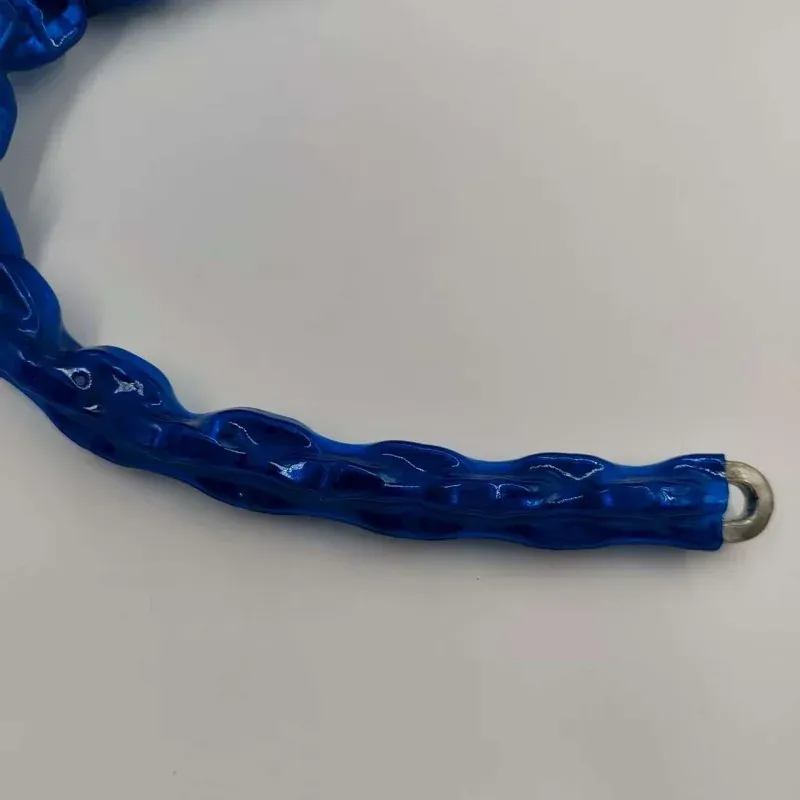
A zinc plated chain with a PVC cover combines a zinc plated core with a coloured plastic cover: the cover protects surfaces from scratches, while the core resists corrosion. A nylon cloth cover is right where a softer finish suits. These covers suit chain that touches paintwork, gates or bicycles, and jobs where colour helps it stand out.
Plastic Powder Coating
A plastic coated barrier chain takes the idea further: it is a steel core with a coloured plastic powder coating, often a contrasting pair such as yellow and black. Powder coating gives a durable, even colour, which is why it is used for crowd control, queue barriers, car parks and hazard marking. Whether to use coated or bare steel for a barrier is a separate question, in our barrier chain comparison; this article is about which coating to choose.
Zinc, and When It Is Enough
If the problem is corrosion, zinc is the answer. Hot dip galvanizing carries a thicker zinc layer than electro galvanizing and lasts longer outdoors; indoors, electro is enough. See our guide to galvanized finishes compares the two. A PVC or plastic cover is no substitute for zinc: it protects surfaces and adds colour, while corrosion belongs to the metal. So ask what the cover must do: protecting a painted gate or bicycle points to PVC or nylon; making a barrier visible points to powder coating; resisting corrosion points to zinc.
Not a Lifting Chain
One caution applies whatever the cover. Coating a chain does not change what it is: a coated security or barrier chain is general purpose, not a grade-marked lifting chain, and must not be used for overhead lifting. Lifting needs chain made and marked for it, such as grade 80 or 100 with matched fittings. Check the chain itself, not just the cover, for corrosion and wear.
Frequently Asked Questions
What is a coated chain?
A steel chain with a cover. The core carries the load, and the coating protects the chain from corrosion, protects surfaces from scratches, or makes the chain visible.
Does a PVC or plastic coating stop a chain from rusting?
It helps, because a cover can keep some moisture off the steel, but it is not a corrosion coating. Where rust resistance is the main need, galvanizing does it through the zinc layer; a PVC or plastic cover is chosen mainly to protect surfaces and add colour.
Can a coated chain be used for lifting?
No. A coated security or barrier chain is general purpose, not grade-marked lifting chain, and must not be used for overhead lifting. Lifting needs grade-marked chain such as grade 80 or 100 with fittings rated to match.
Boyuan Metal supplies coated chain - zinc plated with PVC or nylon covering, and plastic powder coated barrier chain - plus the galvanized finishes. Tell us where the chain will be used and what the cover must do, and we will confirm the finish.