
Oct 26, 2026News & Insights
How to Measure and Specify Chain Size
Chain size is not one number. Diameter, inside width and link length each decide whether a chain fits - here is how to measure the chain you have and what to send when you order.
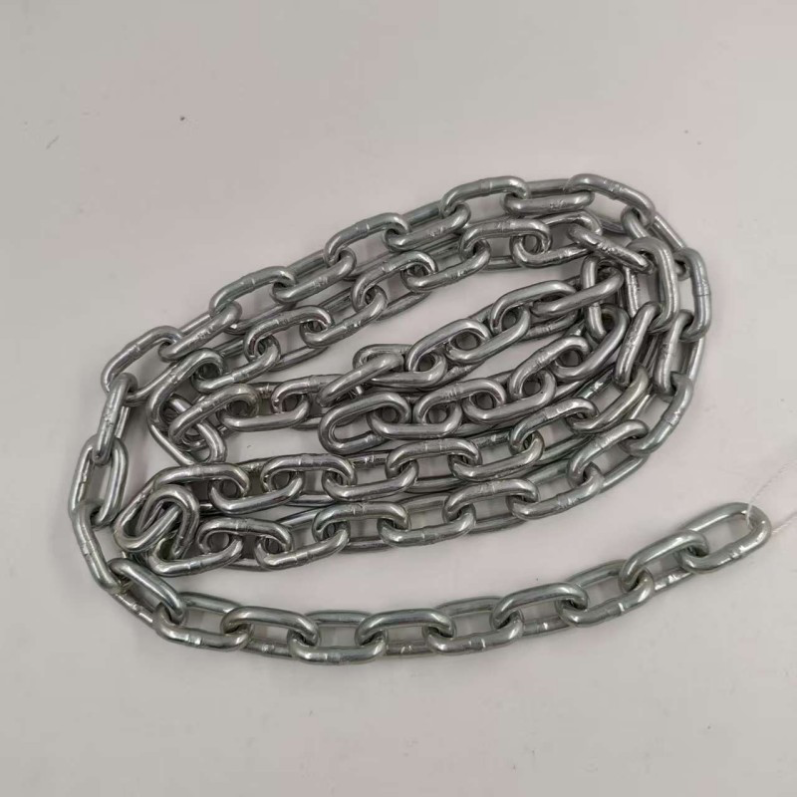
Ordering chain by size goes wrong in one of two ways: the wrong diameter is quoted, or the right diameter arrives but the chain will not fit the hardware. Chain size is not a single number - diameter, inside width and link length each do a different job, and a supplier needs them to confirm a chain. Here is how to measure the chain you have, and what to send when you order.
The Three Numbers That Define a Chain
First, the wire diameter: the thickness of the steel a link is made from, and the figure a chain is usually named by. Second, the inside width: the clear opening inside a link, which decides what the chain passes through and what fits into it. Third, the inside length: the clear length inside a link, which sets how the chain runs and whether it seats properly in a fitting or over a wheel.
How to Measure a Chain
Measure the wire diameter across the steel of a link at the crown of the bend, not where links bear on each other and wear. Measure the inside width between the two sides of a link, and the inside length from one inner end of the link to the other. A caliper helps; measure a few links and take the typical figure. A worn chain measures what it is now, not what it was.
Diameter Is Nominal, and That Is Enough
Chain is ordered by nominal diameter: a chain made to a given size is specified by that size, and a small deviation is allowed in manufacture, so a standard short link chain is quoted by its diameter from the size table, not a measurement off one link. So the useful answer is the diameter plus the standard the chain follows; a supplier can then pick from the table.
Where the Size Has to Match
Two things in a chain system are sized by the chain. A hook, shackle or connecting link must take the chain: its opening and throat have to suit the chain's diameter and link size, or it will not seat. A wheel or sprocket must carry the chain: its pitch has to match the link length and its groove the wire diameter. A calibrated link chain is made with the links dimensionally controlled so it runs evenly, which is what makes the fit reliable.
What to Send When You Order
For a standard chain, the diameter, the form or standard, the finish and the total length are enough. For an unusual chain, a replacement, or one that must fit existing hardware, send the three measurements and a photo with a ruler in it. Tell us the fitting or wheel it has to work with, and we can confirm from the size table rather than guess.
Frequently Asked Questions
How is chain size measured?
By three figures: the wire diameter of a link, its inside width and its inside length. Chain is normally ordered and named by wire diameter, with inside width and length telling you whether it will fit the hardware.
Is chain size the diameter or the length?
The name is the diameter - an 8 mm chain is 8 mm in wire diameter - but length matters too. A link's inside length sets the pitch a wheel or sprocket engages, so two chains of the same diameter can differ in how they run.
Can any chain be used for lifting?
No. General purpose chains such as the DIN 766 and DIN 764 forms are not grade-marked lifting chain and must not be used for overhead lifting. That needs chain made and marked for it, such as grade 80 or 100 with matched fittings.
Boyuan Metal supplies general purpose chain in the common standard forms, with the hooks, shackles and fittings that match them. Tell us the diameter, form, finish and length - or send the measurements of the chain to replace - and we will confirm it.