Oct 26, 2026News & Insights
Screw Pin vs Safety Pin Shackle: Which Pin to Choose
One pin screws in by hand; the other is bolted and locked. How screw pin and safety pin shackles differ, and how to pick the one a job actually needs.
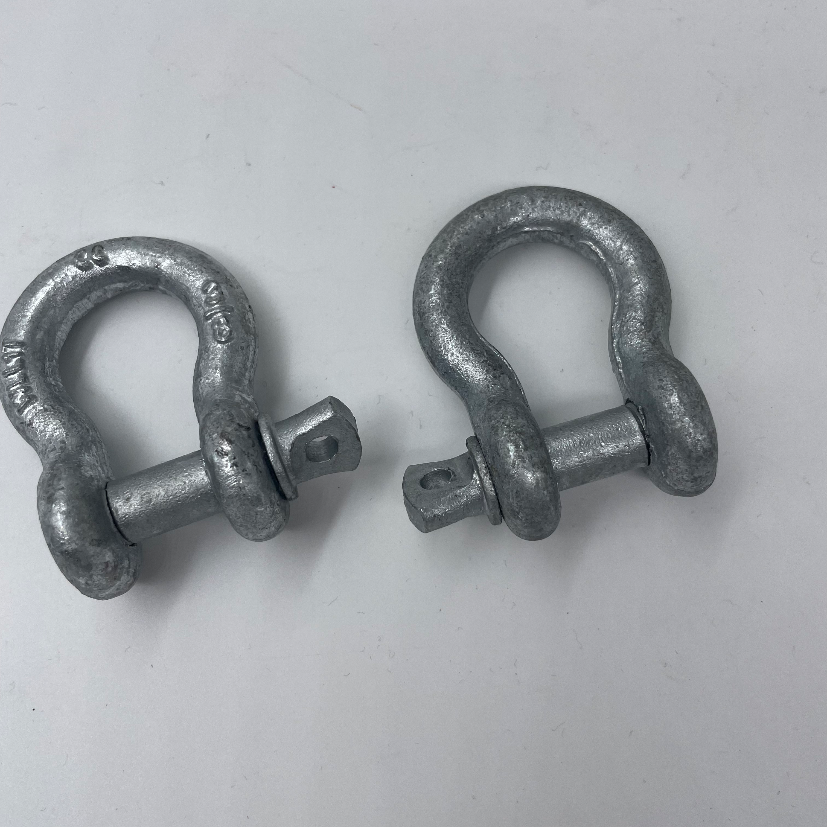
A shackle holds a load at a single point, and the pin keeps it closed. Two pin arrangements cover most shackles: the screw pin, which threads in by hand, and the safety pin, bolted and locked so it cannot back out. Choosing between them is mostly about how often the shackle is taken off, and how much a pin that cannot loosen matters to the job.
The Screw Pin Shackle
A screw pin shackle has a threaded pin that screws into the body by hand, so it fits and comes off quickly with no tools. It is the general purpose form, for a shackle connected and disconnected often. The trade-off is that the pin is held by thread alone, so it can work loose under vibration, and a screw pin shackle should not take a fluctuating load unattended. A dee shackle or a bow shackle is made in this form for everyday rigging and mooring.
The Safety Pin Shackle
A safety pin shackle - also called a bolt type shackle - uses a bolt secured by a nut and a split (cotter) pin, so the pin cannot unscrew. It takes longer to fit and needs a wrench, but once set the pin stays put. It suits a shackle that stays in place or works under a fluctuating load, where a loose pin is a real risk. A bow shackle in this form is common for a semi-permanent connection.
The Difference in One Line
A screw pin is quick and removable; a safety pin is slower and stays locked. The screw pin suits a shackle handled often; the safety pin suits one fitted once and left, or working under a load that rises and falls.
Choosing, and Keeping the Load In Line
Both forms share the same rules. Size follows from the working load limit, not the pin diameter alone, and a lifting assembly uses grade-marked, matched components. Keep the load in line with the pin, and make sure the pin is fully seated and secured. Where the pull direction can change, a bow shape takes load from more than one direction without binding; a dee shape suits a straight-line pull. Our guide to choosing a shackle covers shape, size and material.
Safety
Treat both as load-bearing parts. Use only a shackle rated for the duty, with a pin that matches it and is fully seated and secured; never substitute a pin from another shackle or a plain bolt. Check for wear, cracks, a bent or thread-damaged pin, and a pin that will not seat; retire the shackle if damaged. Never weld, heat or repair it. A lifting assembly needs grade-marked components such as grade 80 or grade 100 chain with fittings to match.
Frequently Asked Questions
What is the difference between a screw pin and a safety pin shackle?
A screw pin shackle has a threaded pin you screw in by hand; it is quick to fit and remove, but the pin can work loose. A safety pin (bolt type) shackle locks the pin with a nut and split pin, so it stays put, at the cost of a slower fit.
Which shackle pin is safer for lifting?
Where the pin must not loosen, the safety pin form is the safer choice: a nut and split pin will not unscrew themselves. Either way, the shackle must be rated for the load and the pin fully seated and secured.
Can I use a screw pin shackle for a permanent connection?
It is not the usual choice for one left in place under a fluctuating load, because a screw pin can work loose. For a semi-permanent connection, the bolted, locked safety pin form is the pick.
Boyuan Metal supplies bow and dee shackles in carbon and stainless steel, alongside chain, wire rope and the fittings for a rigging assembly. Tell us the load, the connection and how often the shackle is handled, and we will confirm the pin.