Sep 18, 2026News & Insights
Stainless Steel Chain for Food Processing
Food plants wash down with chemicals, acids and moisture. Here is where stainless steel chain is used in food and hygienic environments, and how to specify it.
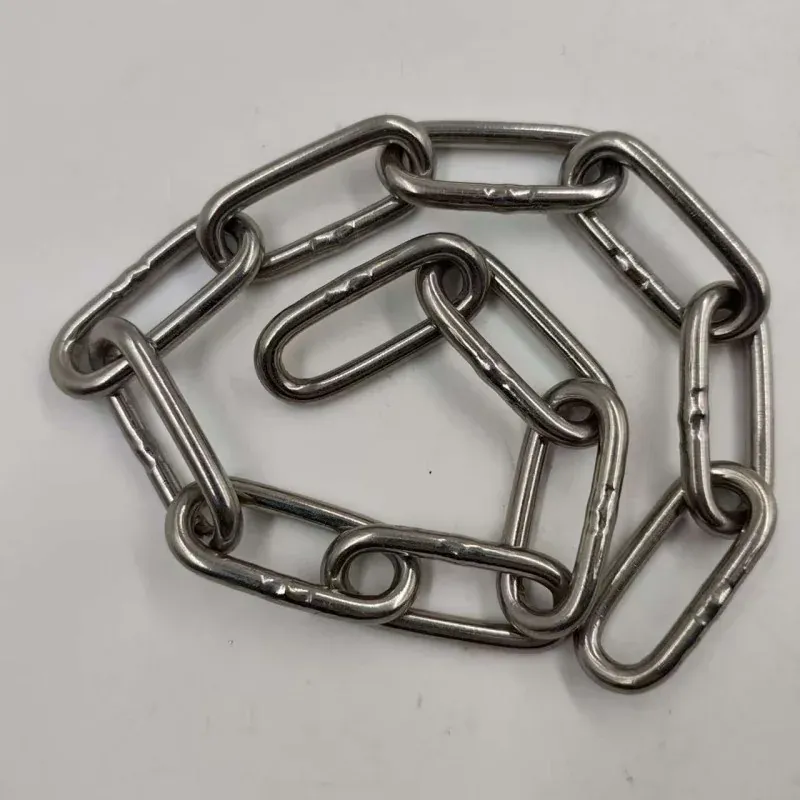
A food plant is a hostile place for ordinary steel. Equipment is washed with water and cleaning chemicals, product residues are acidic, and the chain often runs where hygiene matters more than strength. That is why stainless steel, not carbon or galvanized chain, is the usual specification in food processing.
Why Carbon Steel Chain Does Not Fit
Carbon steel is the default for general industrial work, and galvanized chain covers outdoor and humid conditions at modest cost. Neither fits where the chain is washed with chemicals, meets food acids, or must stay visibly clean. Stainless steel is chosen for corrosion resistance in marine, food, chemical and outdoor environments.
Two Grades, and the Difference Matters
Most food-grade stainless chain is supplied in SUS304 or AISI316, with AISI316L as a lower-carbon variant. Grade 304 handles general food plant conditions well. AISI316 contains molybdenum, which makes it more resistant to chlorides than 304 - the reason it is specified where salt, brine or chloride-based cleaning agents are present.
We supply stainless steel chain in SUS304, AISI316 and AISI316L, and all standard and non-standard chains can be made in stainless steel. Tell us the cleaning regime and the products handled and we will confirm the grade.
Where Stainless Chain Is Used in Food Plants
Food processing covers several duties. Overhead conveyor chains carry product through slaughterhouses and processing lines, where hygiene and frequent starts and stops both apply. Poultry processing and wet, acidic areas need resistance to acids and chlorides. Submersible and pump lifting use stainless chain because it resists corrosion while immersed. And stainless steel wire rope covers hanging and general purpose work exposed to moisture.
Where corrosion resistance must be combined with higher strength, such as pump lifting and submersible equipment, a stronger stainless grade such as G50 stainless steel chain suits better than a standard stainless chain.
What to Confirm Before You Order
Four things settle most enquiries: the cleaning agents the chain will meet, which decide between 304, 316 and 316L; the products handled, which may set finish requirements; the duty, meaning whether a standard stainless chain carries the load or a higher-strength grade is needed; and the size, pitch and attachments required.
Frequently Asked Questions
Which stainless grade should I use for food processing?
Grade 304 covers most general food plant conditions. Choose AISI316, which contains molybdenum and resists chlorides better than 304, where salt, brine or chloride-based cleaning agents are present.
Can galvanized chain be used in a food plant?
Galvanized chain is designed for outdoor and humid conditions, not for food-contact or chemical wash-down environments. Where the chain meets food acids or chemical wash-down, stainless steel is the right choice.
What finish is used on stainless chain for food work?
It is normally supplied bright polished, because a smooth surface is easier to clean and does not trap residue.
Boyuan Metal supplies stainless chains in SUS304, AISI316 and AISI316L, and can produce standard and non-standard chains in stainless steel. Tell us the environment, the cleaning regime and the duty, and we will confirm the grade, size and finish.