
Oct 26, 2026News & Insights
How to Inspect Wire Rope and Know When to Retire It
Wire rope rarely fails without warning. What to look for, where to look, and how to decide between a rope that still has life in it and one that has to come off.
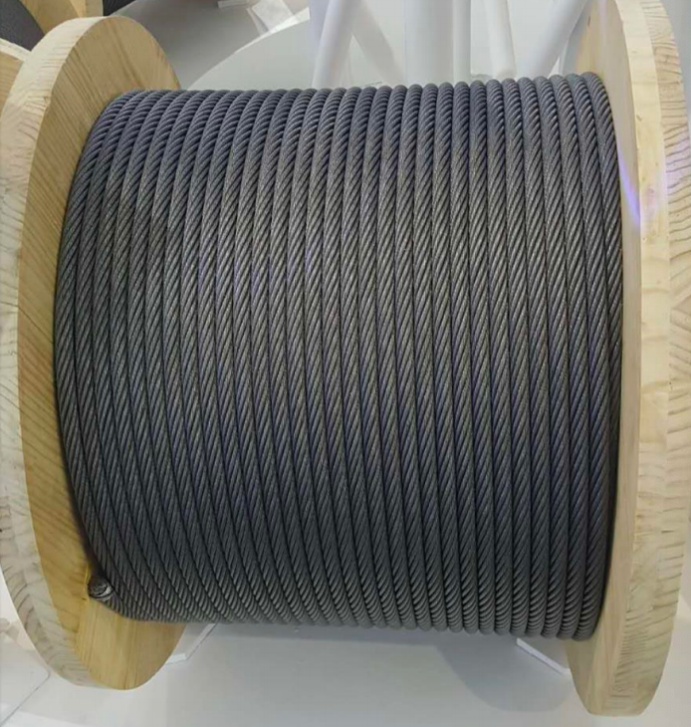
A wire rope does not usually break without warning. It wears, it corrodes, wires break one at a time, and a termination loses grip - all visible to a careful eye. Inspection separates a rope still fit for work from one that should have come off weeks ago.
What to Look For
Five things account for most of what inspection finds. Broken wires, showing as loose or protruding ends. Corrosion, which dulls the surface and, in a wet rope, can attack the core unseen. Kinks and bird-caging, where strands have opened or the rope has taken a permanent set. Wear and diameter loss, from rubbing or flattened wires. And deformation - a crushed section, or a rope that no longer lies straight.
Where to Look
The rope is not equally at risk along its length. Look hardest at the terminations, where the end is held and failure is most serious. Look at sections running over sheaves and at the drum where the rope crosses itself, at the sharpest bends, and at points where it has rubbed against a structure or another rope. After a shock load or a drop onto a hard surface, check it too.
The End Fittings Are Part of the Rope
An inspection that stops at the rope misses half the system. A wire rope clip holds an eye by clamping the rope, and a slipped clip is a termination failing. A wire rope thimble lines that eye and keeps the rope from being crushed where it bears - without a sound thimble the eye is weaker and wears fast. Check clips for spacing and re-tightening after the initial load, thimbles for wear, and swaged or spliced ends for cracks.
How to Decide
Inspection is a judgement, and it must be made against a rule. The rule comes from the standard governing the rope, or the maker's retirement criteria, applied to what you found - how many wires are broken, where, how much diameter is lost, how deep the corrosion goes. Where no rule applies, or a finding sits close to the limit, take the rope off. A doubtful rope is not worth the risk.
Record What You Find
An inspection is far more useful written down. Note the date, the rope's position, what was found and what was done - kept, re-terminated, or retired. A record turns inspection into a history, and the history shows whether a rope is wearing faster than it should, or whether one position keeps failing.
Frequently Asked Questions
How often should wire rope be inspected?
It depends on how hard the rope works and what the standard or maker requires - constant duty over sheaves needs checking far more often than occasional use. Where a rule applies, follow it; where none does, set an interval and shorten it if anything is found.
Can a rope with a few broken wires still be used?
It can still be used only if the standard or the maker's criteria allow it, and only after checking where those wires are and what else is going on. Broken wires at a termination, or alongside corrosion or diameter loss, differ from a few outer wires in a free length. In doubt, retire it.
Should a damaged rope be repaired?
Wire rope is not repaired in the field. A damaged section is cut out and the rope re-terminated, or the rope is replaced. Never weld, heat or splice a damaged rope to keep it in service: heat destroys wire strength, and a field splice is not a termination.
Boyuan Metal supplies stainless steel wire rope, clips, thimbles and the fittings that complete a termination. Tell us the rope, the duty and the fittings, and we will confirm the parts - and if you are setting up an inspection routine, we will help match the components to the rope.