Oct 26, 2026News & Insights
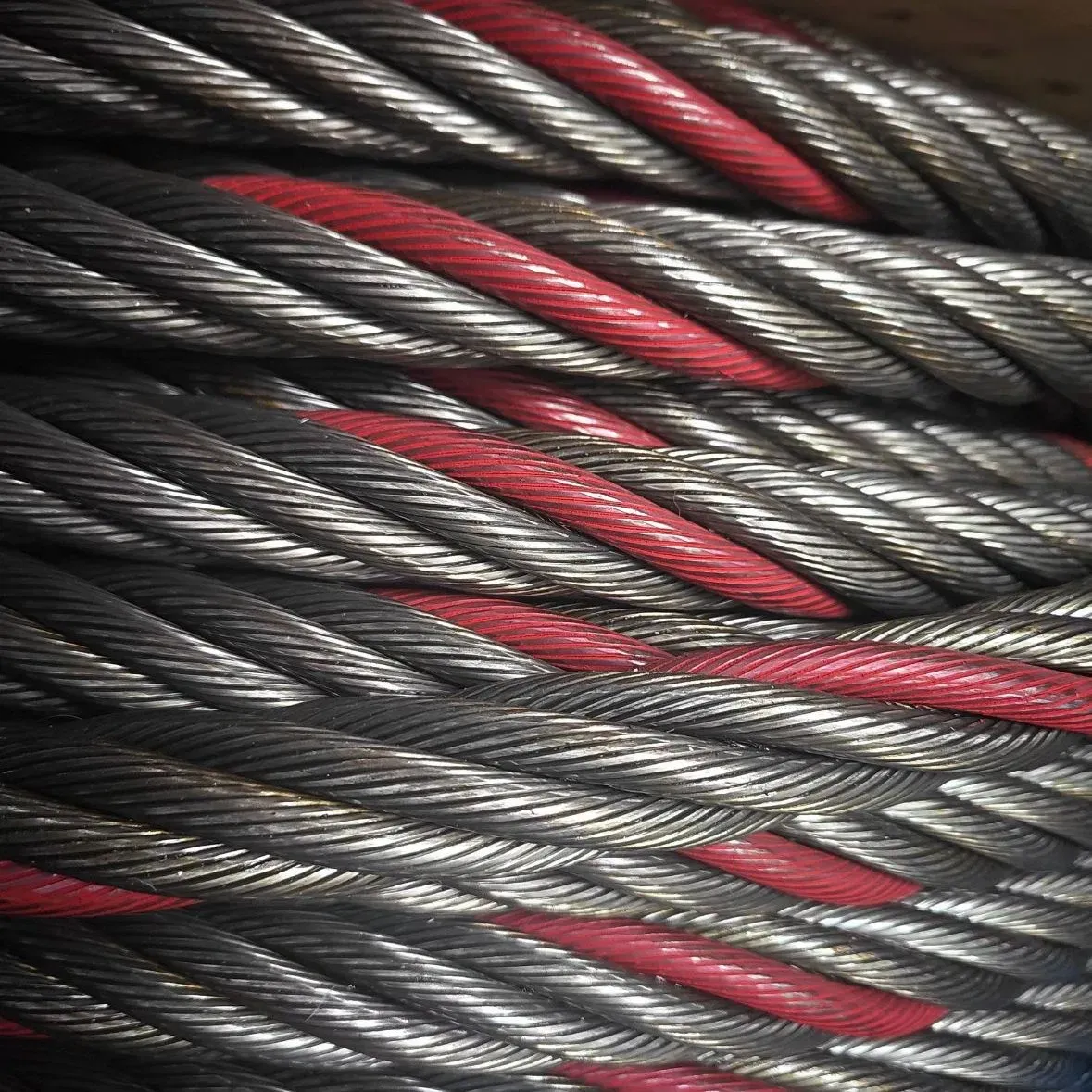
Marine and Offshore Wire Rope
Mooring, towing, offshore crane and permanent mooring ropes: the constructions, galvanizing classes and classification society requirements that apply at sea.
Insights
Technical guides and buying notes on chain grades, wire rope construction, surface treatment, lifting safety and rigging selection.
Mooring, towing, offshore crane and permanent mooring ropes: the constructions, galvanizing classes and classification society requirements that apply at sea.
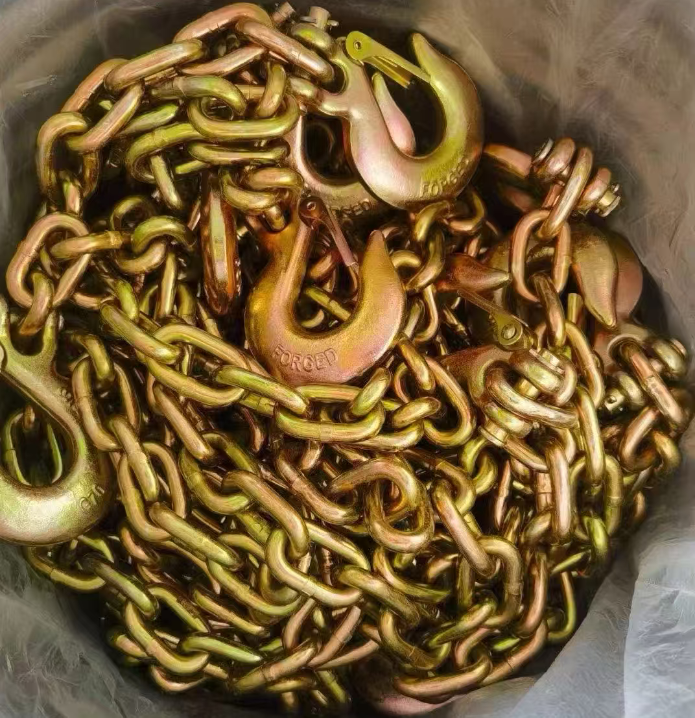
Grade 70 transport chain for cargo securement: 4:1 safety factor, the FMCSA tie-down rule, EN 12195-3, markings, and why it is not a lifting chain.
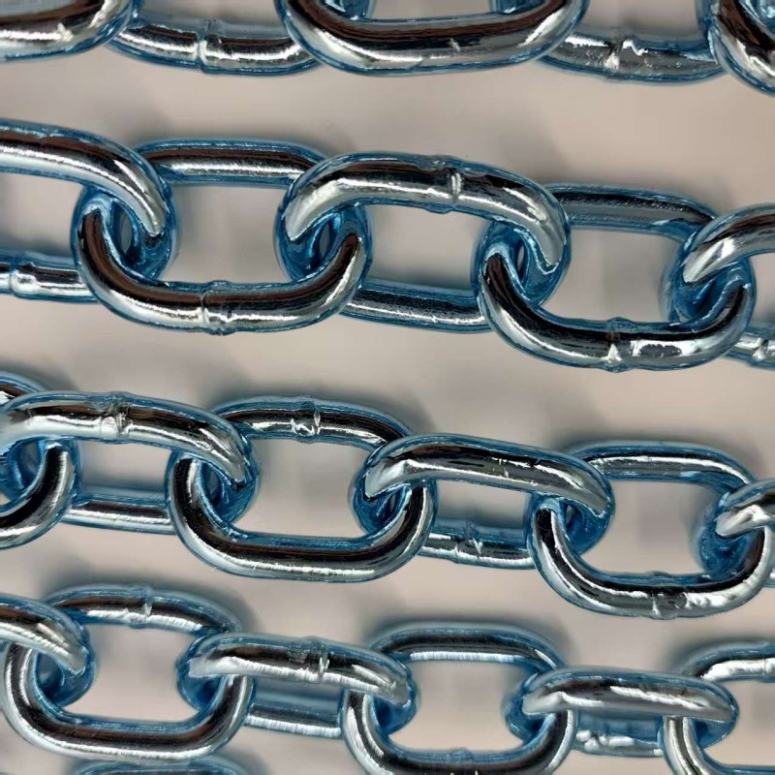
Grade 30 proof coil chain explained: 300 N/mm2 breaking stress, low-carbon steel, available diameters, its limits, and when to move up a grade.
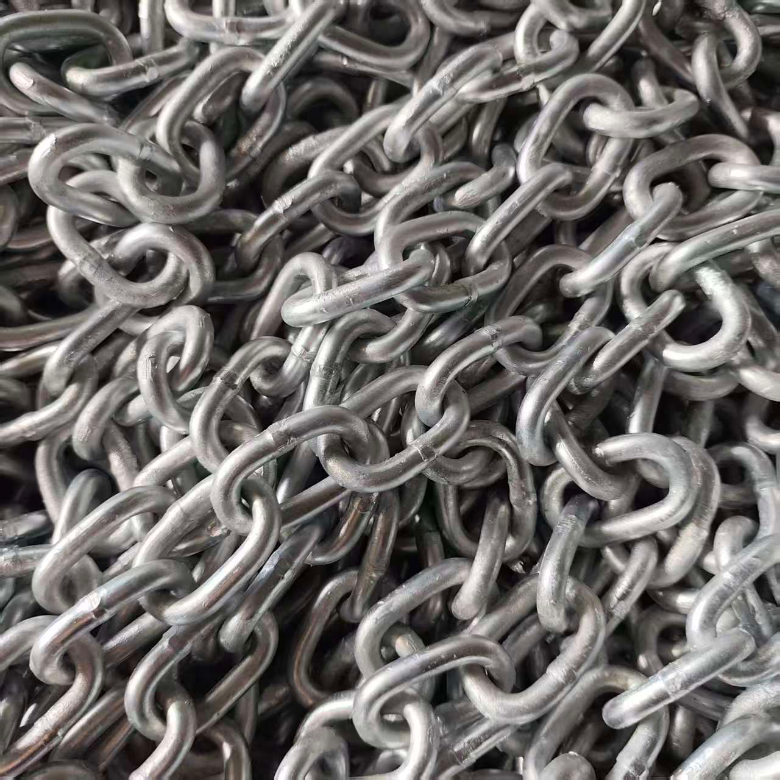
Grade 43 high test chain sits between proof coil and transport chain. Its 430 N/mm2 breaking stress, available sizes, marking, and where it must not be used.
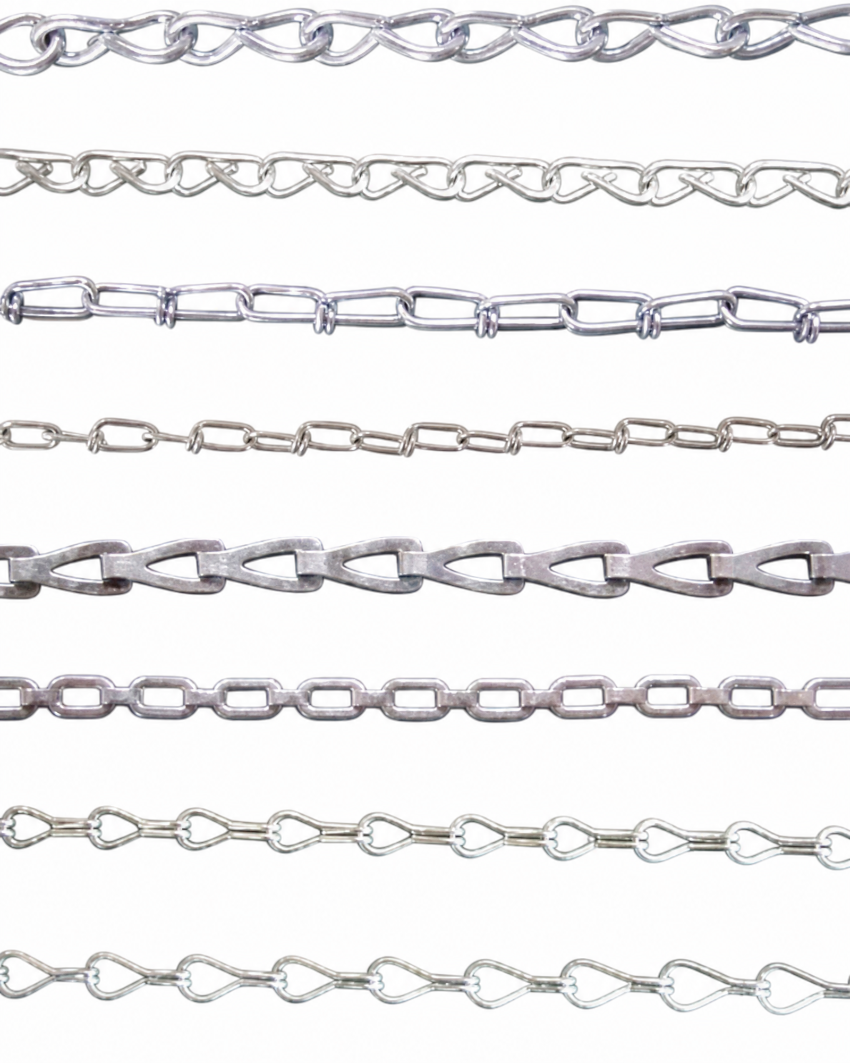
Weldless chain joins links without welding - formed, knotted and double loop types. Their strength limits, typical uses, and what they must not be used for.

Learn how to handle rusted polished and galvanized chains. Discover why acid pickling is vital for galvanized chains and how re-polishing works. Expert advice from Boyuan Metal

It reflects a simple truth about how these products are actually used: they are designed to work together as a system, not as isolated products.
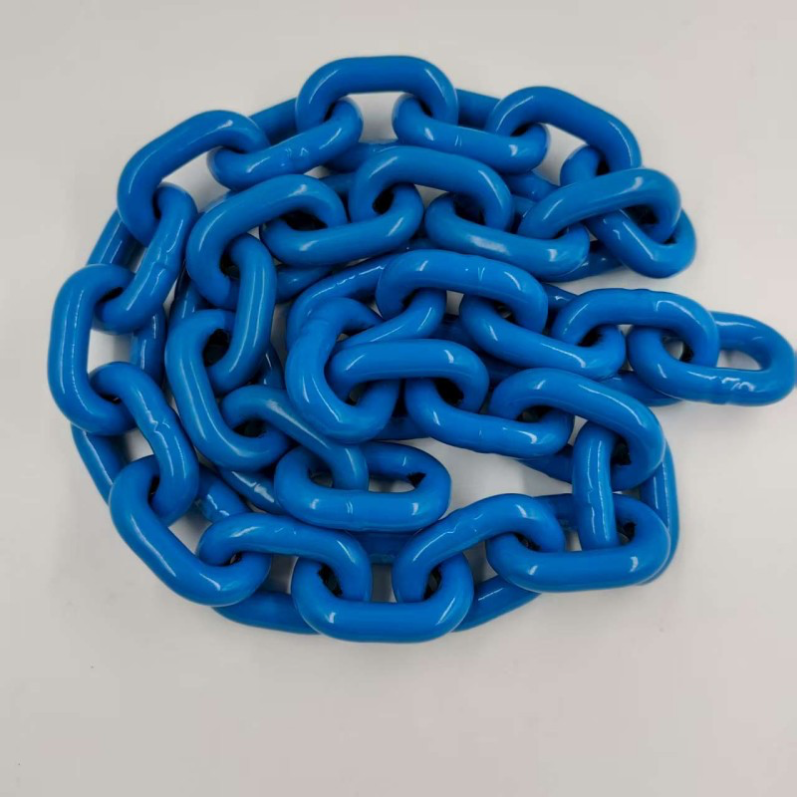
This guide explains why E-coating dominates G100 chain production, how it protects the chain, and what you should know when specifying the finish for your application
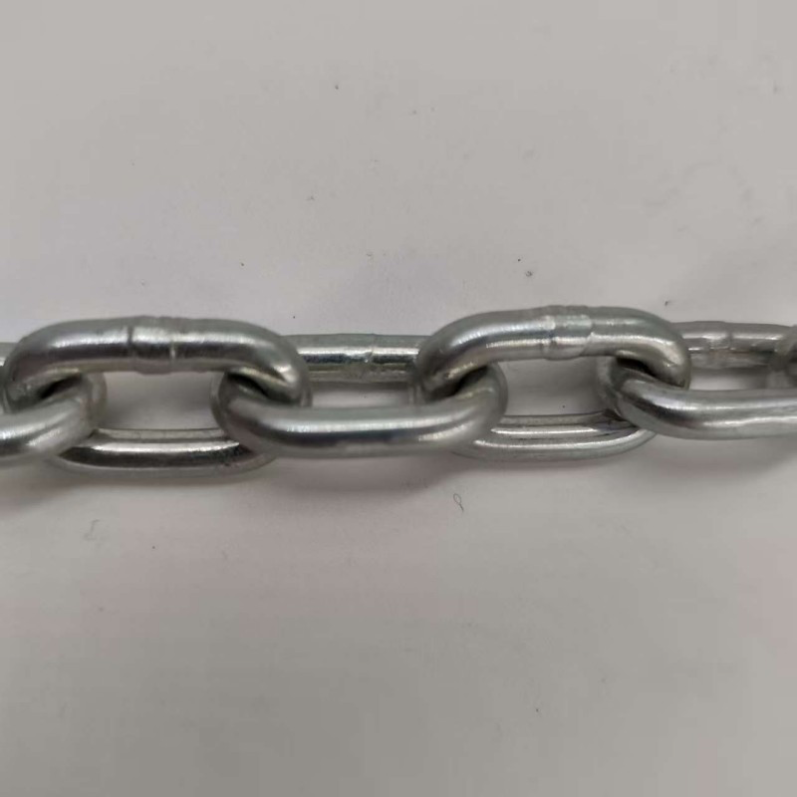
Chain elongation is the clearest warning before failure. How to measure it, the 3% / 3-5% / 5% replacement bands, and the limits set by EN 818-2 and ISO 7591.
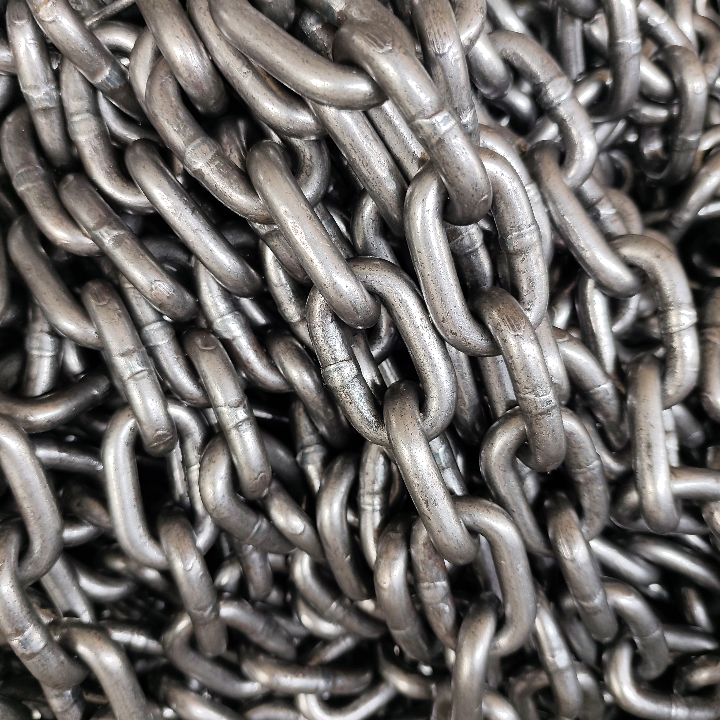
Sourcing G43 self color polished chain? Learn why it rusts after factory dispatch and how to specify the right anti-rust protection for USA, Canada, and global markets