Oct 26, 2026Success Stories
How We Strive to Be the Supplier Our Customers Trust Most
To be the supplier our customers trust most for chains, wire ropes, and rigging hardware
Insights
Technical guides and buying notes on chain grades, wire rope construction, surface treatment, lifting safety and rigging selection.
To be the supplier our customers trust most for chains, wire ropes, and rigging hardware
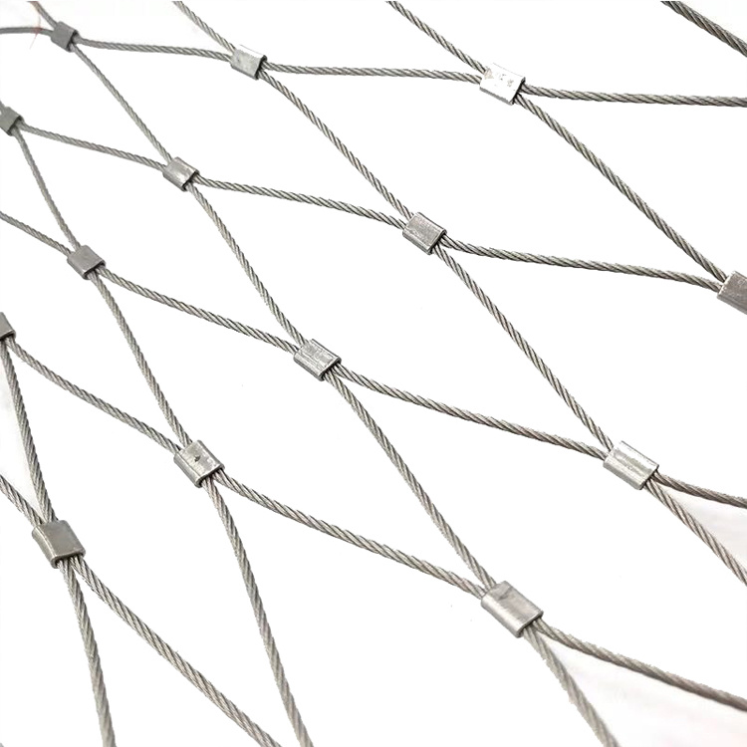
Looking for 6x7+FC wire rope? Learn about its fiber core construction, superior abrasion resistance, and why it's the top choice for agriculture, fencing, and guy wires.
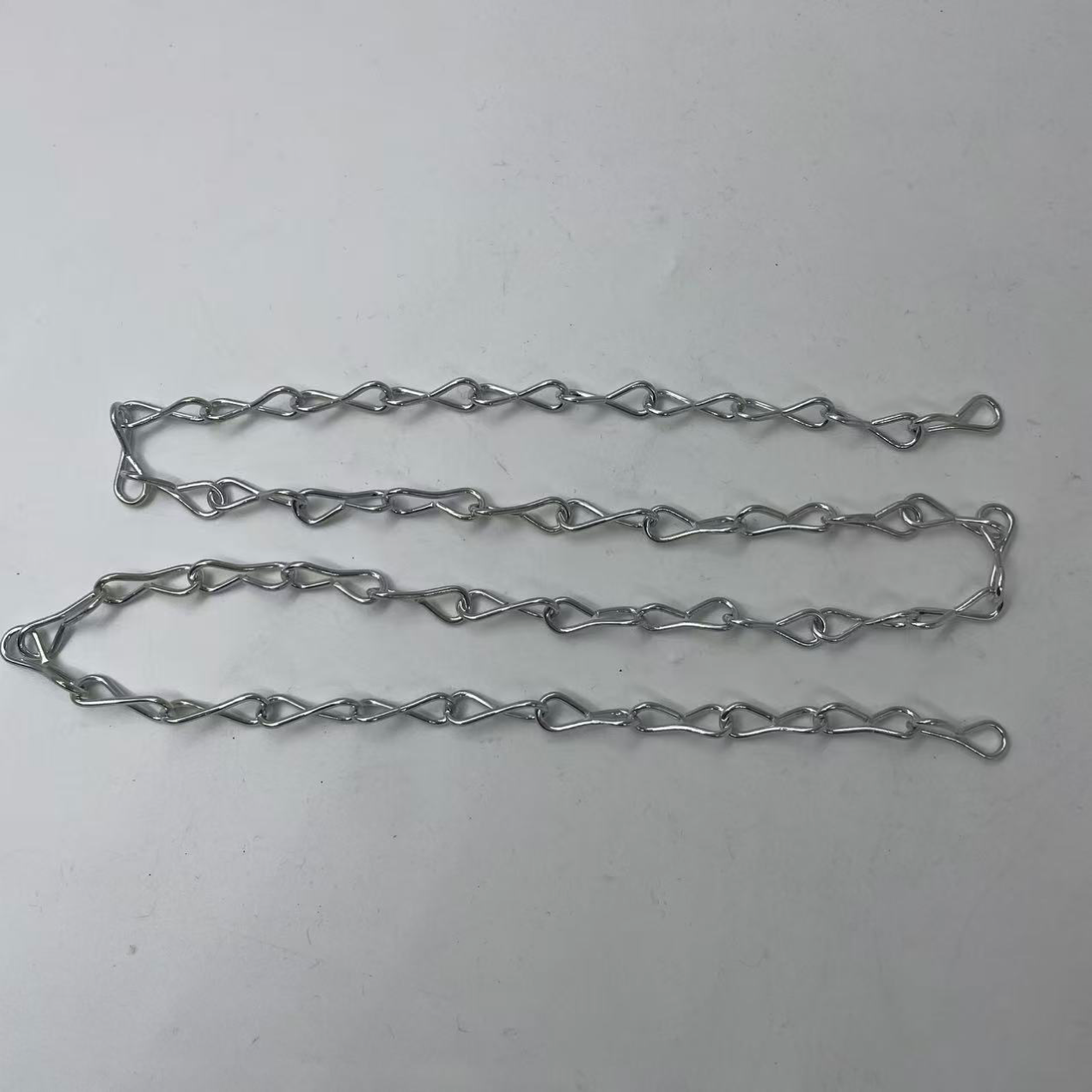
Why electricians specify single jack chain for lighting, cable support and signage: how it installs, what it holds, and how to choose the right size.
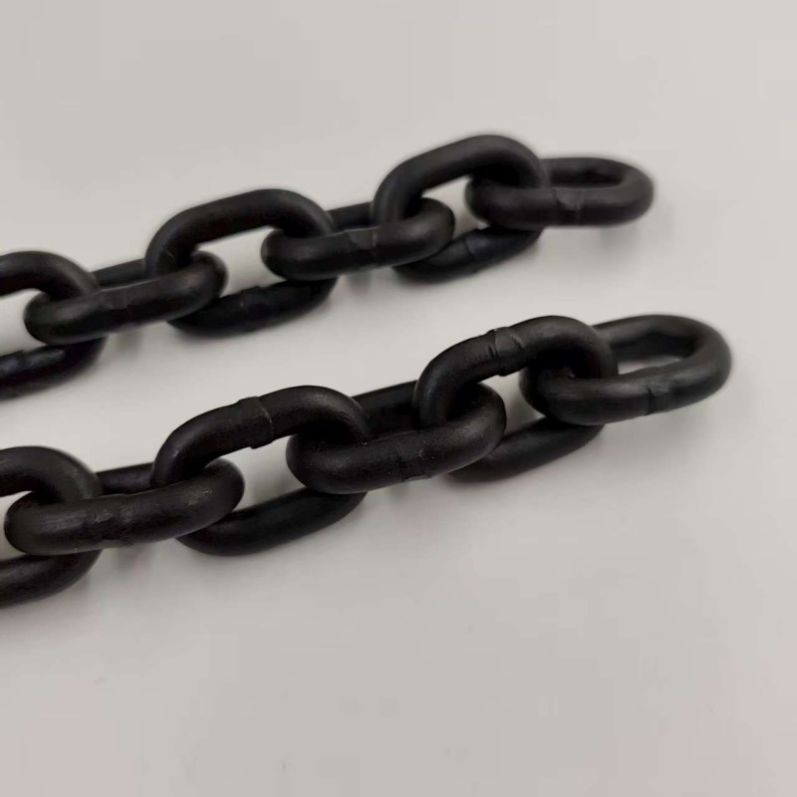
Grade 80 or grade 100 lifting chain? Both carry a 4:1 safety factor - the real question is strength-to-weight, fitting compatibility and cost. A practical comparison for buyers.
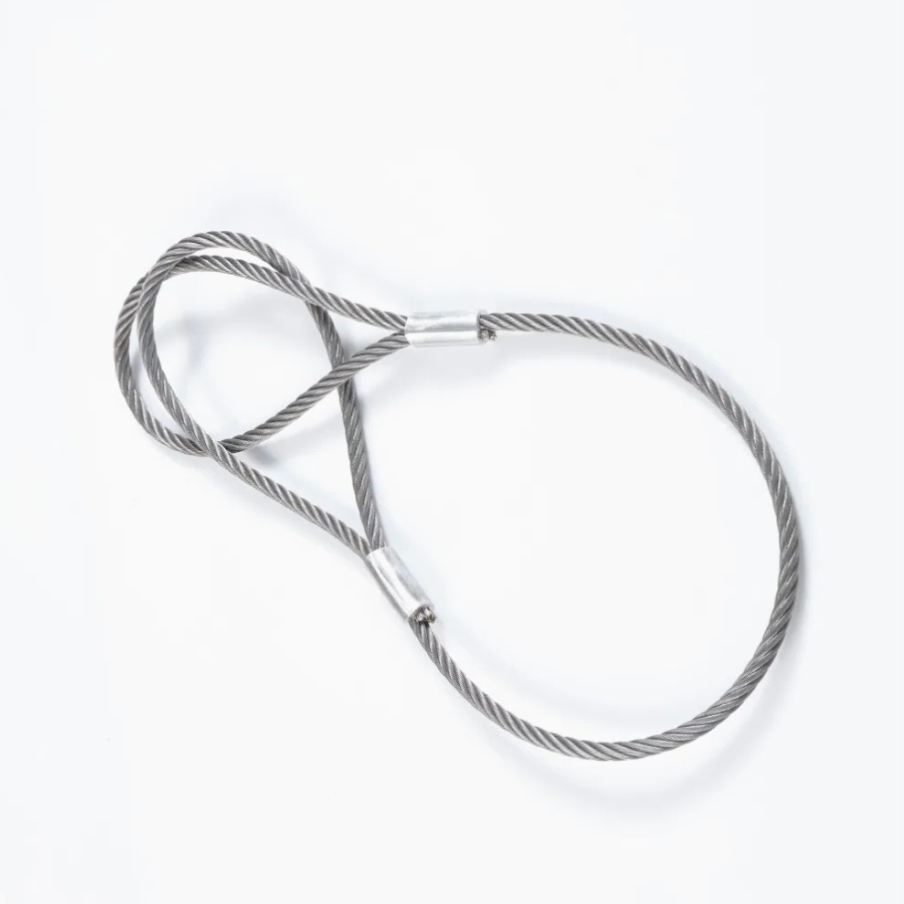
Synthetic slings are taking share from wire rope - but neither replaces the other. How heat, abrasion, permanence and handling should drive the choice.
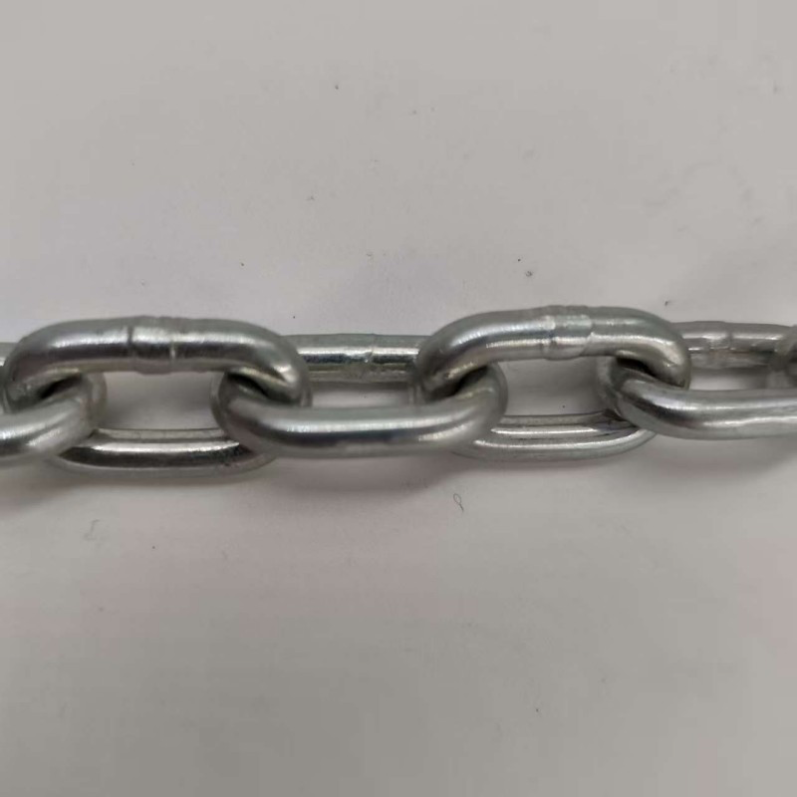
Four German standards, four different chains. DIN 763, 764, 766 and 5685 differ in link length, calibration and duty - here is how to tell them apart before you order.
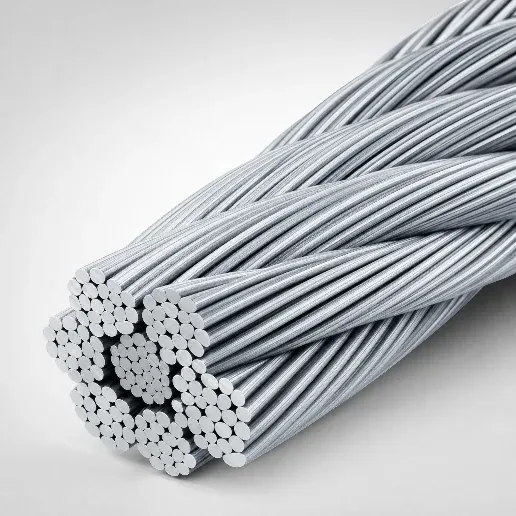
The same diameter and finish do not mean the same rope. How construction, core, material and finish decide which steel wire rope you should specify.
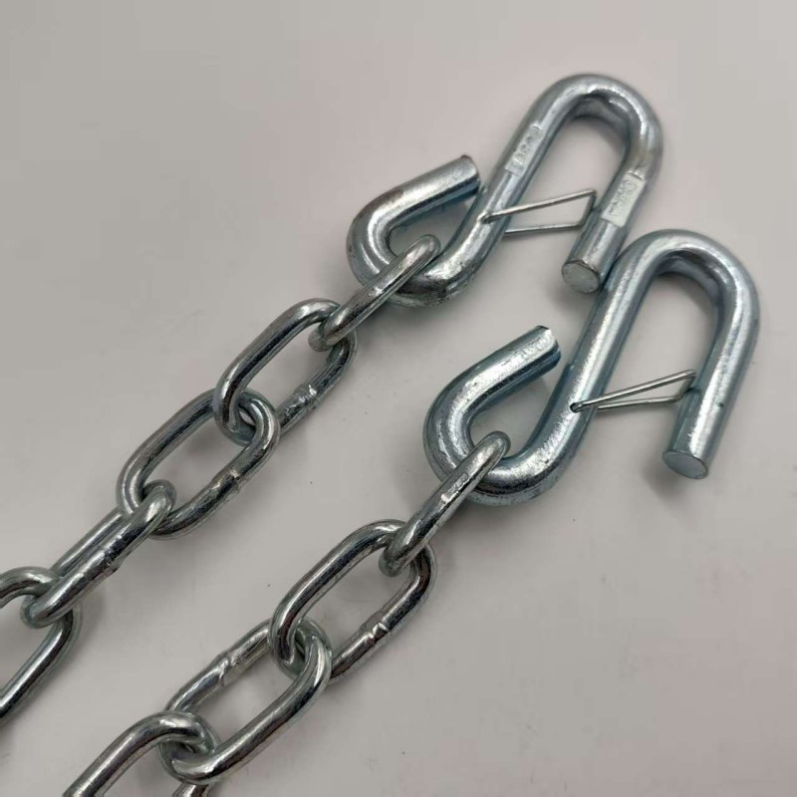
A construction site needs chain, wire rope and rigging hardware for lifting, securing and restraint. Here is what is normally specified for each job, and what to send for a quotation.
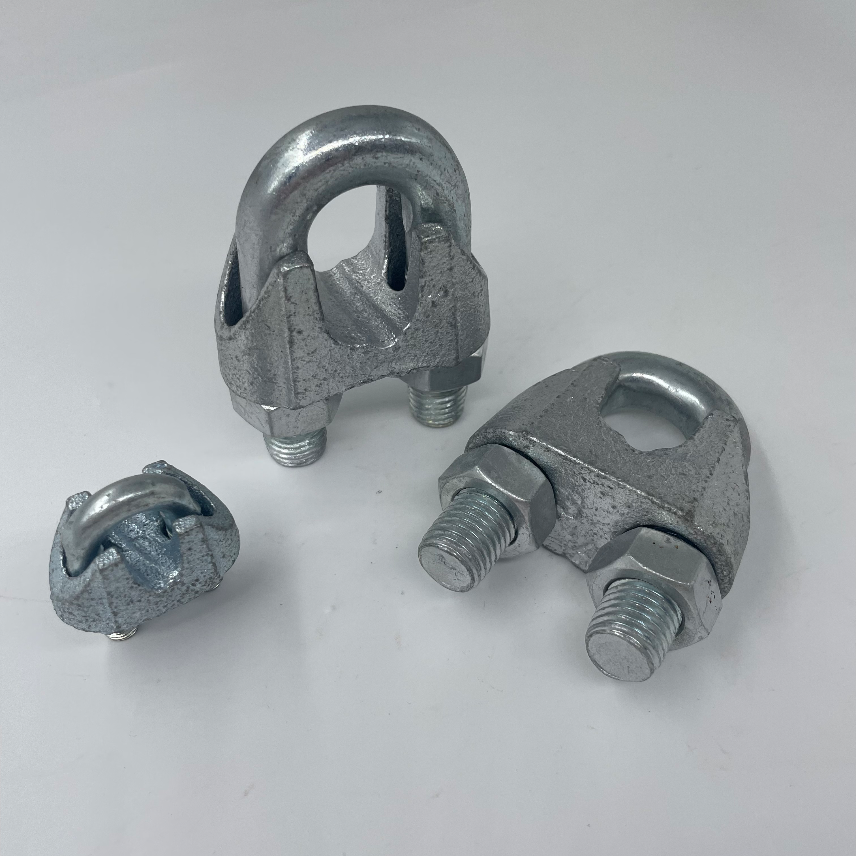
Construction tells you how a wire rope is built: strand count, wires per strand, core and contact type. Here is how to read the notation and why it decides how the rope behaves.
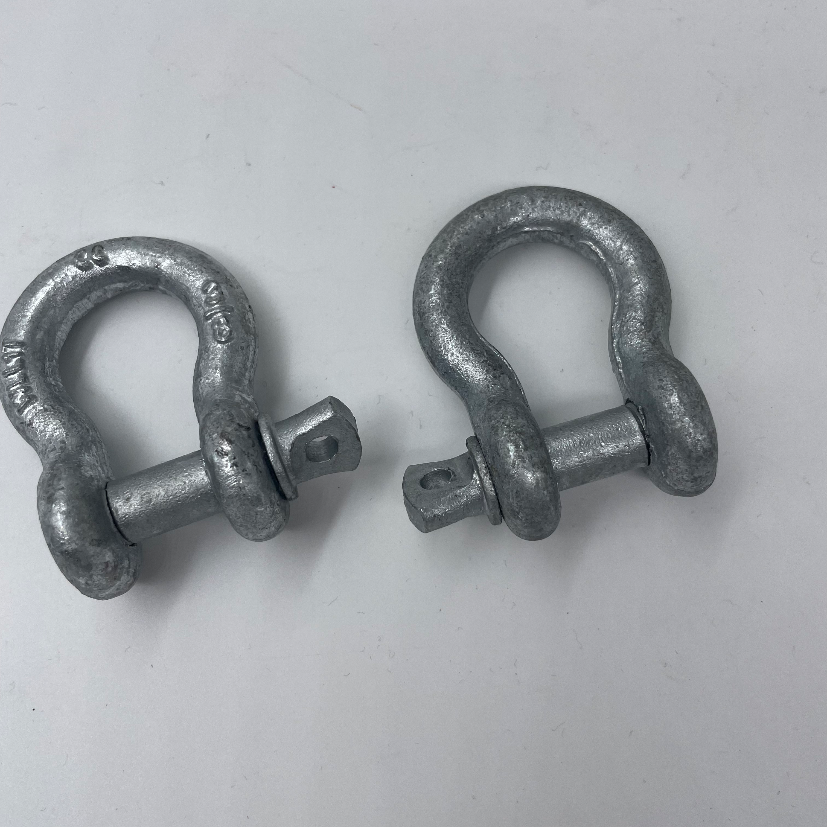
Bow or dee, US or European type, carbon or stainless steel: four questions settle most shackle choices. Here is how to specify the right one.