
Oct 26, 2026News & Insights
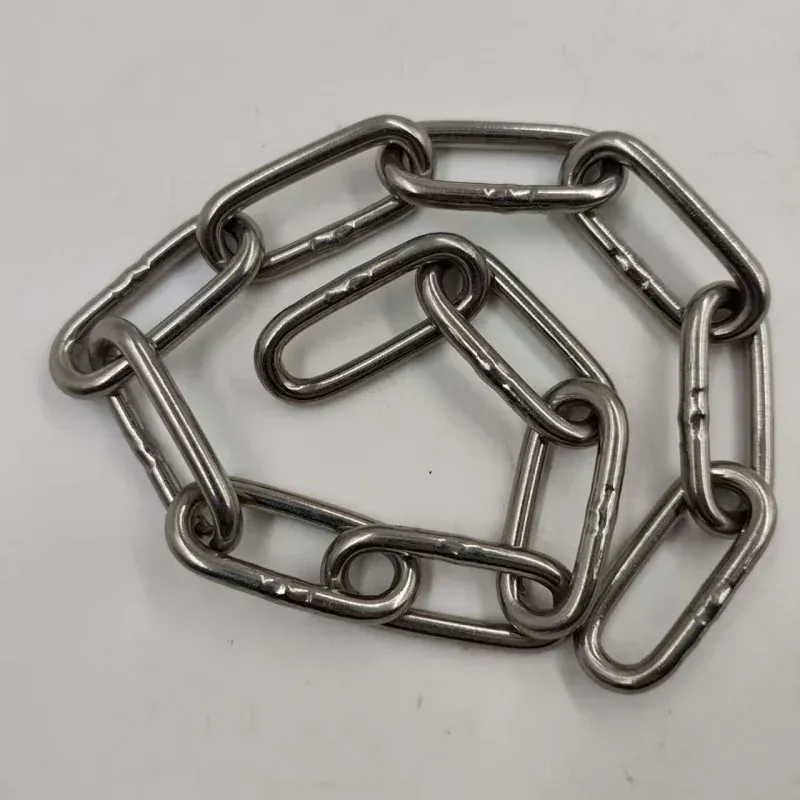
Stainless Steel Chain for Food Processing
Food plants wash down with chemicals, acids and moisture. Here is where stainless steel chain is used in food and hygienic environments, and how to specify it.
Insights
Technical guides and buying notes on chain grades, wire rope construction, surface treatment, lifting safety and rigging selection.
Food plants wash down with chemicals, acids and moisture. Here is where stainless steel chain is used in food and hygienic environments, and how to specify it.
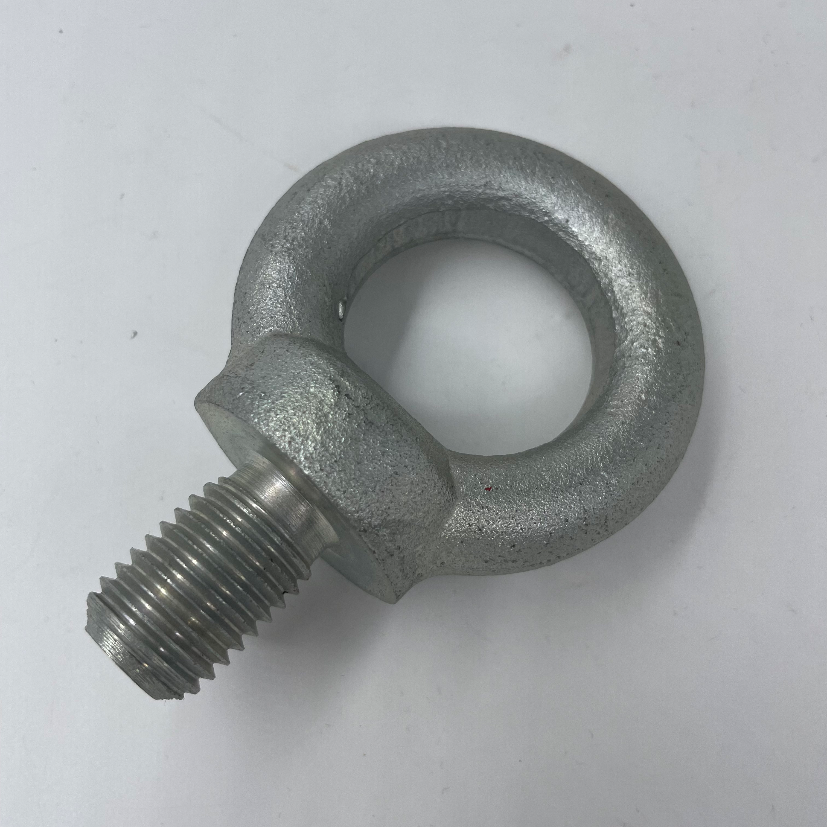
A DIN 580 eye bolt threads into a tapped hole; a DIN 582 eye nut threads onto a stud. How the two threaded lifting points differ, and how to choose between them.

A turnbuckle tensions a line by turning the body. How to choose the end fittings, material and size, and what to leave in reserve for adjustment.
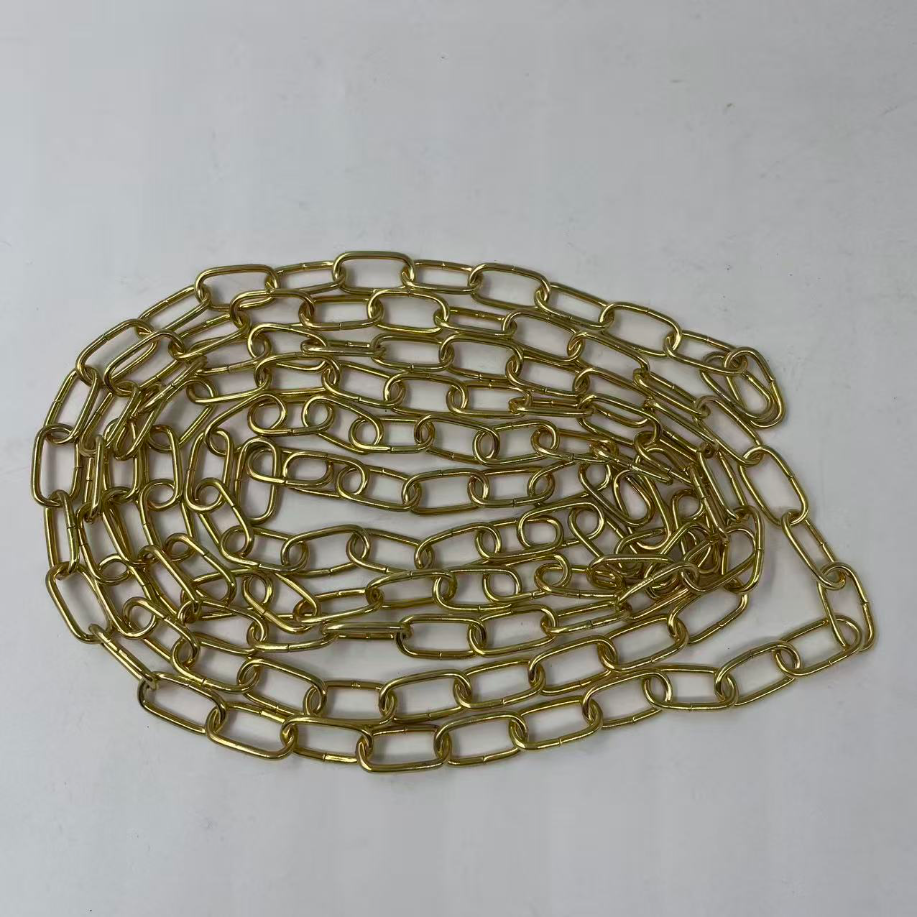
Hanging signs, lamps and shop fit-out call for light chain and coated or stainless wire rope. Which to use where, and the safety limits of light-duty use.

A wire rope clip holds the rope; a thimble protects it. Why a lasting eye usually needs both, and how to choose each one.
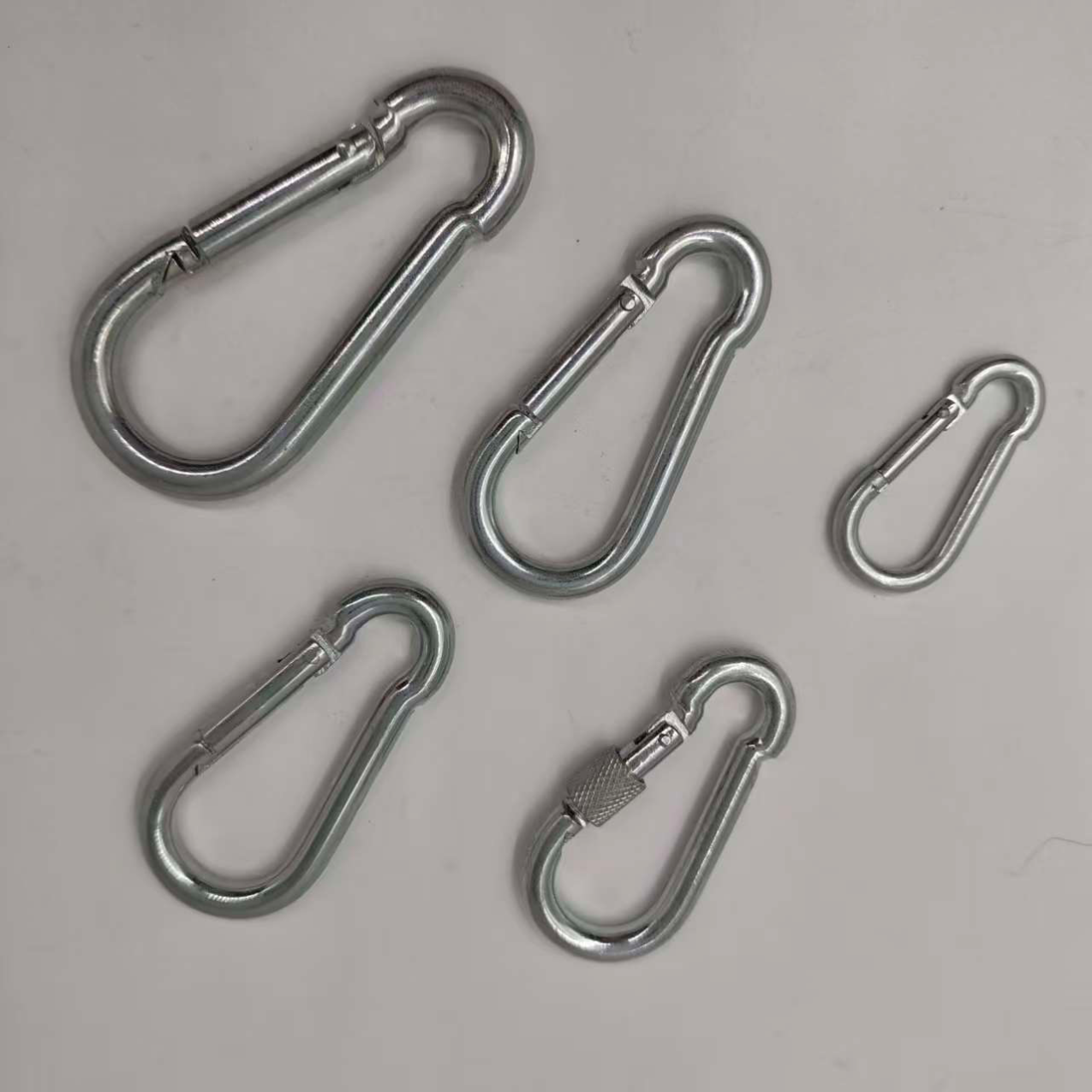
A snap hook clips on fast, but its gate must never take the load. How to choose the form, material and size, and the one rule that governs safe use.
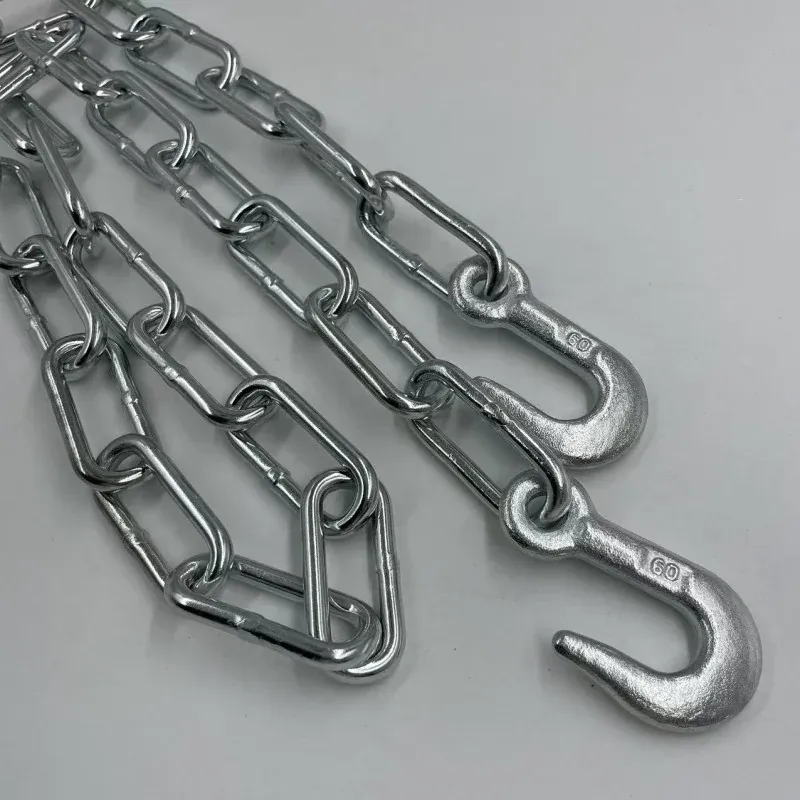
DIN numbers describe the form of a chain; American grades describe its strength. How the two standards differ, and how to choose between them.
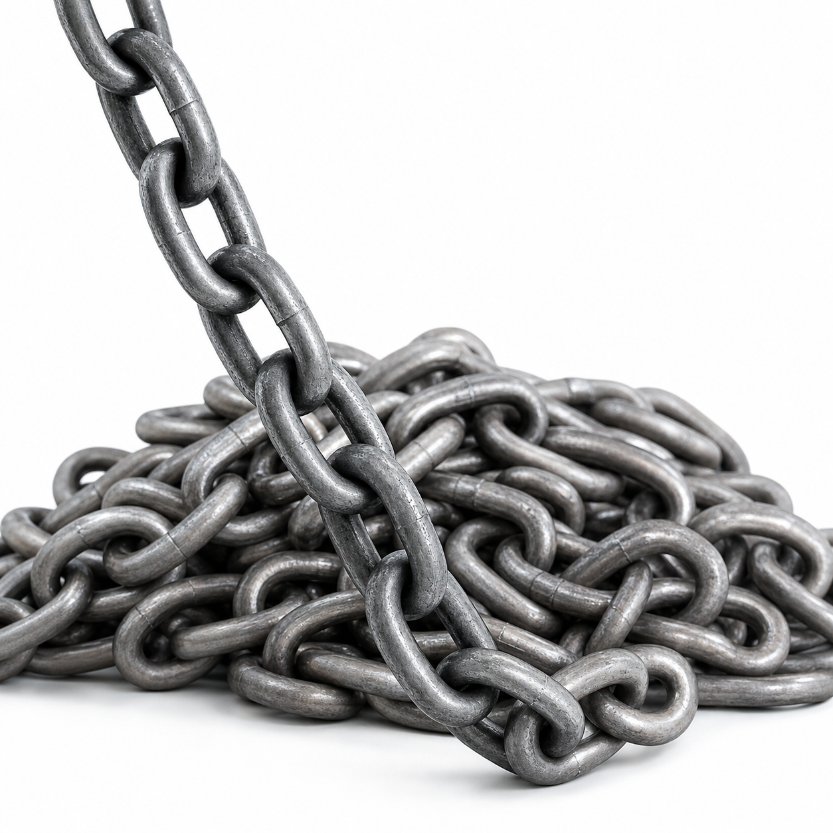
Grade 43 chain is sold in carbon steel and alloy steel, and they do not reach the same strength. Why a carbon steel G43 behaves like grade 40, and how to specify correctly.
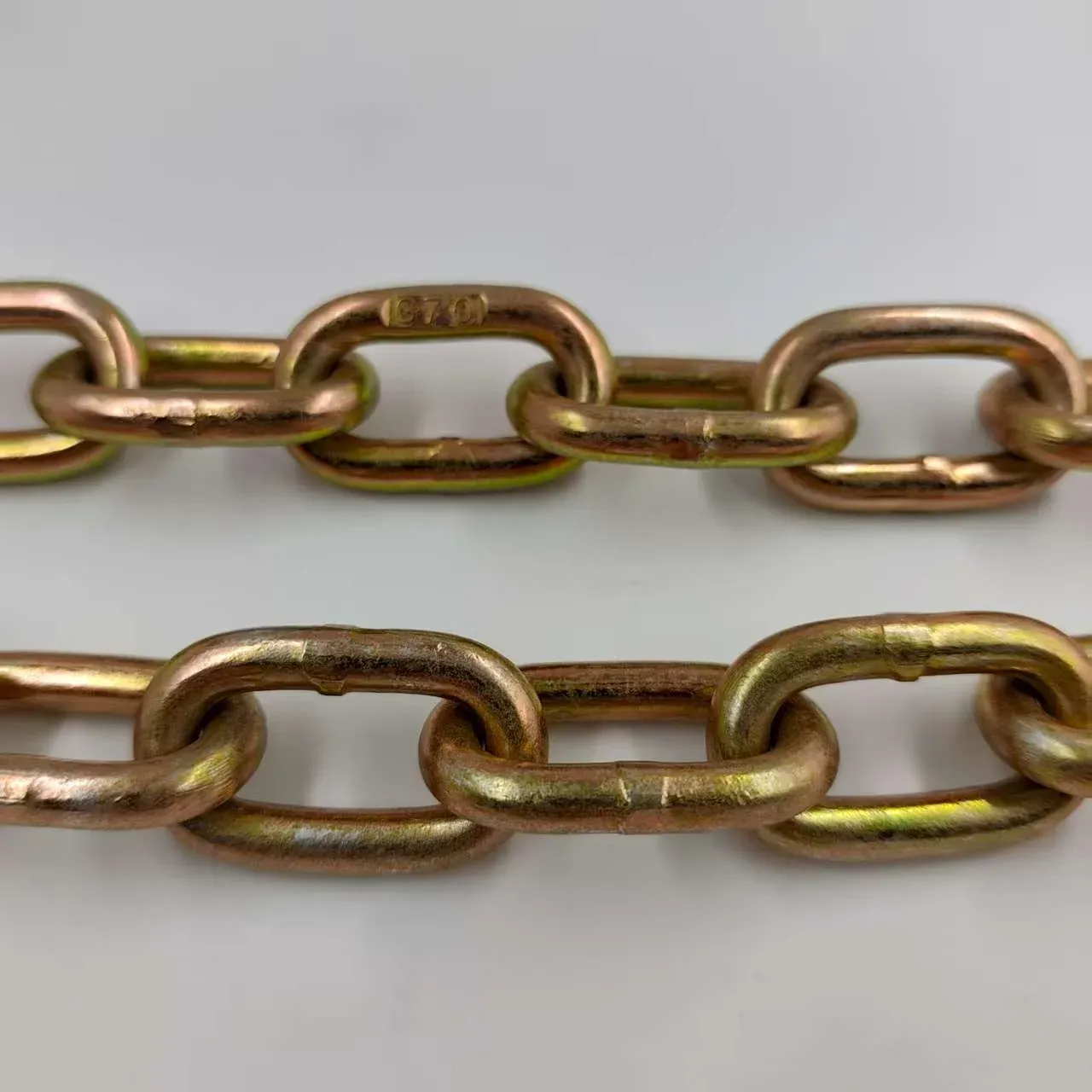
Towing and recovery put sudden, heavy loads on a chain. Which chains and fittings to use, and why none of it is for lifting.
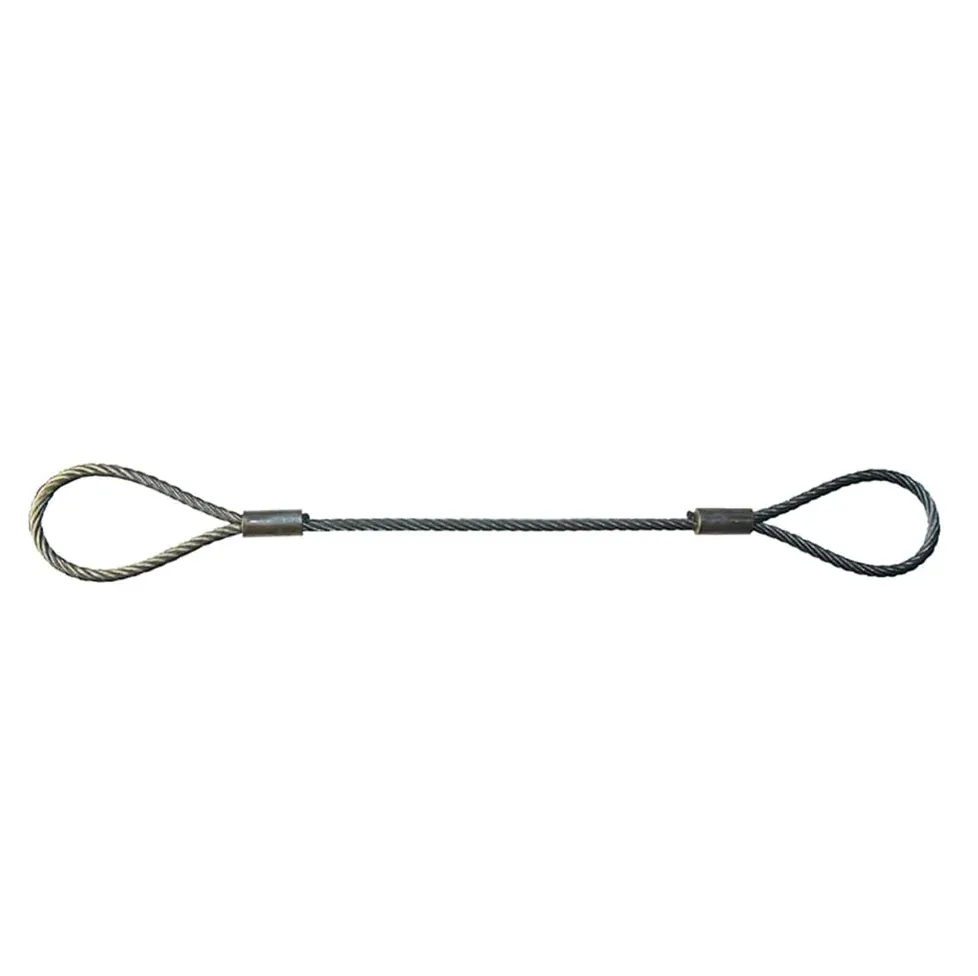
Both lift a load, but chain is stiff and abrasion-resistant while wire rope is flexible and easier on the load surface. How to choose, and how to keep either one safe.